Diabetic neuropathy occurs when high blood sugar damages nerves. It most often affects the feet and legs first because those nerves are among the longest in the body. Symptoms include numbness, tingling, or sensitivity to touch. Some patients lose the ability to feel heat, cold, or pressure. Nerve damage can also weaken foot muscles and change the way a person walks. Symptoms usually develop slowly, so early changes can be easy to miss. Poor circulation can make the problem more serious because tissues receive less oxygen and heal less effectively.
Loss of feeling raises the risk of injuries that go unnoticed. A blister, cut, or burn may worsen before a patient realizes it is present. An untreated wound can develop into a foot ulcer or infection. Severe infections can spread to bone and place a patient at risk for limb loss. Damage to nerves that control sweating can also leave the skin dry and cracked. In addition, muscle weakness can contribute to bunions, hammertoes, or changes in the foot's shape. These changes create areas of extra pressure inside shoes, which can lead to skin damage.
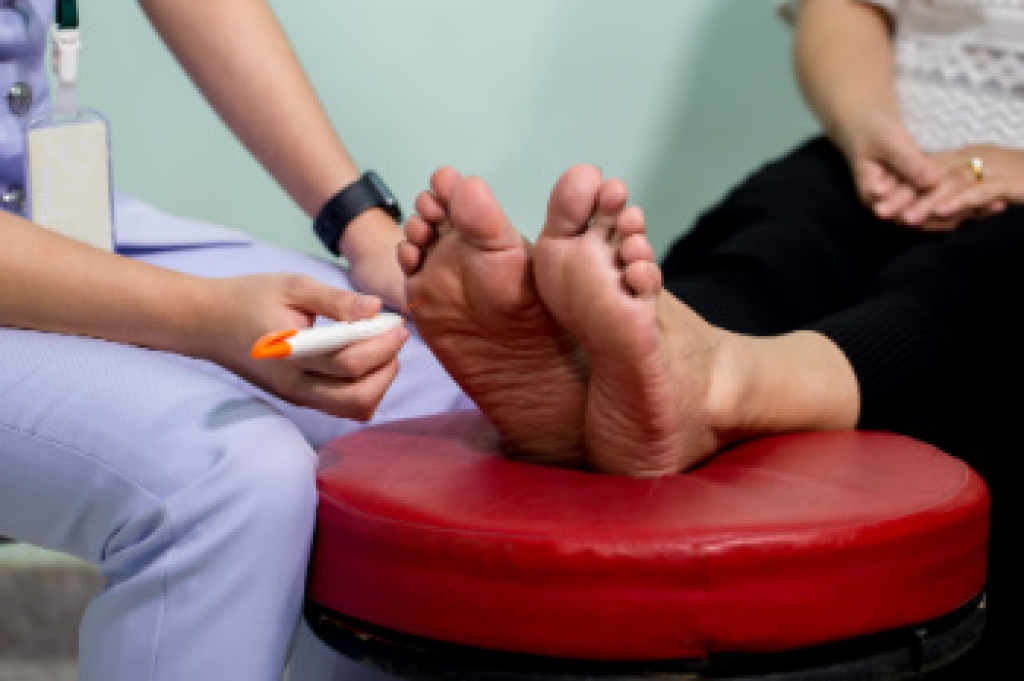
A podiatrist can check sensation, circulation, and muscle strength in the feet. The examination also includes the skin and foot structure. A specialized tool may be used to test whether a patient feels light pressure. The podiatrist can identify wounds, pressure points, or changes in shape before they become more difficult to manage. Treatment includes podiatric wound care, removal of unhealthy tissue, and guidance on properly fitting shoes. Custom orthotics can redistribute pressure and protect vulnerable areas. Regular visits to a podiatrist are especially important for patients who have lost protective sensation or have a history of foot ulcers. Early diagnosis and treatment can reduce complications and help preserve comfortable movement. If you have symptoms of diabetic neuropathy, it is suggested that you schedule an appointment with a podiatrist for a diagnosis and appropriate treatment.
Neuropathy
Neuropathy can be a potentially serious condition, especially if it is left undiagnosed. If you have any concerns that you may be experiencing nerve loss in your feet, consult with one of our podiatrists from Warren-Watchung Podiatry Center. Our doctors will assess your condition and provide you with quality foot and ankle treatment for neuropathy.
What Is Neuropathy?
Neuropathy is a condition that leads to damage to the nerves in the body. Peripheral neuropathy, or neuropathy that affects your peripheral nervous system, usually occurs in the feet. Neuropathy can be triggered by a number of different causes. Such causes include diabetes, infections, cancers, disorders, and toxic substances.
Symptoms of Neuropathy Include:
- Numbness
- Sensation loss
- Prickling and tingling sensations
- Throbbing, freezing, burning pains
- Muscle weakness
Those with diabetes are at serious risk due to being unable to feel an ulcer on their feet. Diabetics usually also suffer from poor blood circulation. This can lead to the wound not healing, infections occurring, and the limb may have to be amputated.
Treatment
To treat neuropathy in the foot, podiatrists will first diagnose the cause of the neuropathy. Figuring out the underlying cause of the neuropathy will allow the podiatrist to prescribe the best treatment, whether it be caused by diabetes, toxic substance exposure, infection, etc. If the nerve has not died, then it’s possible that sensation may be able to return to the foot.
Pain medication may be issued for pain. Electrical nerve stimulation can be used to stimulate nerves. If the neuropathy is caused from pressure on the nerves, then surgery may be necessary.
If you have any questions, please feel free to contact one of our offices located in Marlboro and Watchung, NJ . We offer the newest diagnostic and treatment technologies for all your foot care needs.

