Items filtered by date: January 2025
Causes and Prevention of Vamp Disease

Vamp disease, also known as anterior tibial tendonitis, is a condition that affects the tendon in the lower leg, specifically the anterior tibialis tendon. This tendon is responsible for lifting the foot during walking and running. Vamp disease is characterized by pain and tenderness in the front of the ankle and lower leg, especially during physical activities like running or jumping. The pain may worsen with movement and often improves with rest. The primary cause of vamp disease is overuse or repetitive strain on the anterior tibialis tendon, commonly seen in athletes or individuals who engage in activities that involve frequent jumping, running, or quick direction changes. Wearing ill-fitting footwear or sudden changes in activity level can also contribute to its development. To avoid vamp disease, it is important to gradually increase activity intensity, wear proper footwear with good support, and allow adequate rest between workouts to prevent overuse injuries. If you have pain in this part of your foot and ankle, it is suggested that you confer with a podiatrist who can offer a proper diagnosis and effective relief solutions.
Foot Pain
Foot pain can be extremely painful and debilitating. If you have a foot pain, consult with Dr. Ronald Sheppard from Warren-Watchung Podiatry Center. Our doctor will assess your condition and provide you with quality foot and ankle treatment.
Causes
Foot pain is a very broad condition that could be caused by one or more ailments. The most common include:
- Bunions
- Hammertoes
- Plantar Fasciitis
- Bone Spurs
- Corns
- Tarsal Tunnel Syndrome
- Ingrown Toenails
- Arthritis (such as Gout, Rheumatoid, and Osteoarthritis)
- Flat Feet
- Injury (from stress fractures, broken toe, foot, ankle, Achilles tendon ruptures, and sprains)
- And more
Diagnosis
To figure out the cause of foot pain, podiatrists utilize several different methods. This can range from simple visual inspections and sensation tests to X-rays and MRI scans. Prior medical history, family medical history, and any recent physical traumatic events will all be taken into consideration for a proper diagnosis.
Treatment
Treatment depends upon the cause of the foot pain. Whether it is resting, staying off the foot, or having surgery; podiatrists have a number of treatment options available for foot pain.
If you have any questions, please feel free to contact one of our offices located in Marlboro and Watchung, NJ . We offer the newest diagnostic and treatment technologies for all your foot care needs.
What Your Feet Can Reveal About Your Health
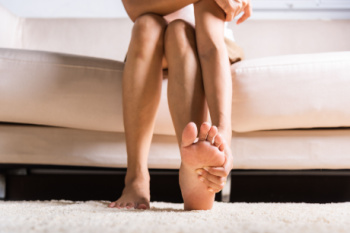
The feet are often overlooked, but they can provide important insights into overall health. Many symptoms occur in the feet before they are noticed elsewhere in the body. For instance, changes in foot appearance or structure, such as swollen or red feet, may indicate underlying issues like heart disease or diabetes. Conditions like athlete’s foot, fungal infections, or bunions are common signs of foot problems, while persistent foot pain can suggest joint issues, such as arthritis or gout. In some cases, poor circulation in the feet can be an early sign of peripheral artery disease or diabetes. Numbness, tingling, or changes in skin color may indicate nerve damage or systemic health issues. By paying attention to these signals and seeking early treatment, individuals can prevent more serious health problems. It is suggested that you consult a podiatrist when unusual symptoms arise. This type of doctor can treat various foot conditions and provide valuable insight into one’s overall well-being.
When dealing with systemic disease of the feet, it is extremely important to check the affected areas routinely so that any additional problems are caught quickly. If you have any concerns about your feet and ankles contact Dr. Ronald Sheppard from Warren-Watchung Podiatry Center. Our doctor will assist you with all of your podiatric needs.
Systemic Diseases of the Feet
Systemic diseases affect the whole body, and symptoms usually are displayed in the feet. This condition can make a patient’s ability to walk unbearable. Systemic diseases include gout, diabetes mellitus, neurological disorders, and arthritis.
Gout – is caused by an excess of uric acid in the body. Common symptoms include pain, inflammation, and redness at the metatarsal/phalangeal joint of the base big toe. Gout can be treated by NSAIDs to relieve pain and inflammation, and other drugs that lower the acid levels in the body.
Diabetes mellitus – is an increase in the level of blood sugar that the body cannot counteract with its own insulin. Failure to produce enough insulin is a factor in Diabetes.
Diabetes of the Feet
Diabetic Neuropathy – may lead to damaged nerves and affect the feet through numbness and loss of sensation.
Peripheral Vascular Disease – can restrict the blood flow to the feet, and often times lead to amputation of the feet.
If you have any questions please feel free to contact one of our offices located in Marlboro and Watchung, NJ . We offer the newest diagnostic and treatment technologies for all your foot and ankle needs.
Removing an Ingrown Toenail
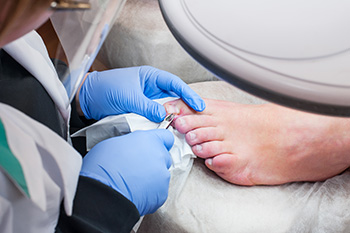
An ingrown toenail occurs when the edge of a toenail grows into the surrounding skin, causing pain, redness, and swelling. Common causes include improper nail trimming, tight footwear, or trauma. When conservative measures fail, a podiatrist may recommend nail removal techniques to resolve the issue. One type of ingrown toenail surgery involves partial nail avulsion, where the affected edge of the toenail is carefully removed while preserving the healthy nail plate. To prevent recurrence, a lateral matricectomy may be performed, which involves removing or destroying the nail-forming tissue on the side of the nail to stop regrowth of the problematic section. Electrocautery, a method that uses heat from an electrical current, is often used during this process to precisely target and destroy the nail matrix. In cases of significant infection or tissue overgrowth, the surrounding granulation tissue may also be removed to restore the toe’s natural shape. If you have a painful or infected ingrown toenail, it is suggested that you schedule an appointment with a podiatrist for treatment options.
Foot surgery is sometimes necessary to treat a foot ailment. To learn more, contact Dr. Ronald Sheppard of Warren-Watchung Podiatry Center. Our doctor will assist you with all of your foot and ankle needs.
When Is Surgery Necessary?
Foot and ankle surgery is generally reserved for cases in which less invasive, conservative procedures have failed to alleviate the problem. Some of the cases in which surgery may be necessary include:
- Removing foot deformities like bunions and bone spurs
- Severe arthritis that has caused bone issues
- Cosmetic reconstruction
What Types of Surgery Are There?
The type of surgery you receive will depend on the nature of the problem you have. Some of the possible surgeries include:
- Bunionectomy for painful bunions
- Surgical fusion for realignment of bones
- Neuropathy decompression surgery to treat nerve damage
Benefits of Surgery
Although surgery is usually a last resort, it can provide more complete pain relief compared to non-surgical methods and may allow you to finally resume full activity.
Surgical techniques have also become increasingly sophisticated. Techniques like endoscopic surgery allow for smaller incisions and faster recovery times.
If you have any questions please feel free to contact one of our offices located in Marlboro and Watchung, NJ . We offer the newest diagnostic and treatment technologies for all your foot and ankle needs.
It's Time for Beautiful Feet
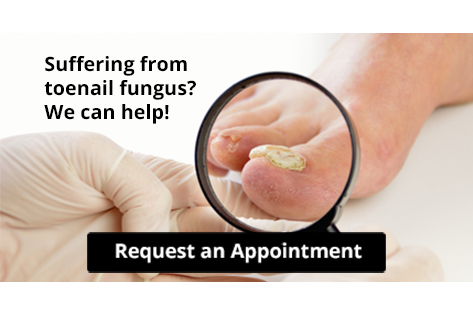
You don't need an excuse to have beautiful nails. Step outside without worrying about the appearance of your feet.
Key Facts About Clubfoot
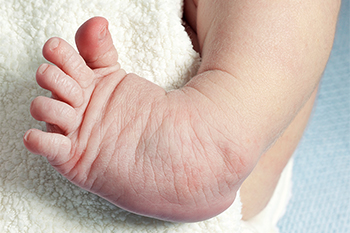
Clubfoot is a congenital condition where a baby’s foot is twisted out of shape or position, often with the toes pointing downward and inward. This condition affects one or both feet and occurs during fetal development. While the exact cause of clubfoot is unknown, it is believed to result from a combination of genetic and environmental factors. Clubfoot is diagnosed shortly after birth through a physical examination, and in some cases, an ultrasound may detect it before birth. Treatment for clubfoot typically involves a non-surgical procedure known as the Ponseti method, which uses gentle stretching and casting to correct the position of the foot. In more severe cases, surgery may be needed. With early intervention and appropriate treatment, most children with clubfoot can lead active and healthy lives, walking without pain or disability. If your child has been born with clubfoot, it is suggested that you include a podiatrist on your healthcare team for optimum recovery results.
Congenital foot problems require immediate attention to avoid future complications. If you have any concerns, contact Dr. Ronald Sheppard of Warren-Watchung Podiatry Center. Our doctor can provide the care you need to keep you pain-free and on your feet.
Congenital foot problems are deformities affecting the feet, toes, and/or ankles that children are born with. Some of these conditions have a genetic cause while others just happen. Some specific foot ailments that children may be born with include clubfeet, polydactyly/macrodactyly, and cleft foot. There are several other foot anomalies that can occur congenitally. What all of these conditions have in common is that a child may experience difficulty walking or performing everyday activities, as well as trouble finding footwear that fits their foot deformity. Some of these conditions are more serious than others. Consulting with a podiatrist as early as possible will help in properly diagnosing a child’s foot condition while getting the necessary treatment underway.
What are Causes of Congenital Foot Problem?
A congenital foot problem is one that happens to a child at birth. These conditions can be caused by a genetic predisposition, developmental or positional abnormalities during gestation, or with no known cause.
What are Symptoms of Congenital Foot Problems?
Symptoms vary by the congenital condition. Symptoms may consist of the following:
- Clubfoot, where tendons are shortened, bones are shaped differently, and the Achilles tendon is tight, causing the foot to point in and down. It is also possible for the soles of the feet to face each other.
- Polydactyly, which usually consists of a nubbin or small lump of tissue without a bone, a toe that is partially formed but has no joints, or an extra toe.
- Vertical talus, where the talus bone forms in the wrong position causing other bones in the foot to line up improperly, the front of the foot to point up, and the bottom of the foot to stiffen, with no arch, and to curve out.
- Tarsal coalition, when there is an abnormal connection of two or more bones in the foot leading to severe, rigid flatfoot.
- Cleft foot, where there are missing toes, a V-shaped cleft, and other anatomical differences.
- Macrodactyly, when the toes are abnormally large due to overgrowth of the underlying bone or soft tissue.
Treatment and Prevention
While there is nothing one can do to prevent congenital foot problems, raising awareness and receiving neonatal screenings are important. Early detection by taking your child to a podiatrist leads to the best outcome possible.
If you have any questions please feel free to contact one of our offices located in Marlboro and Watchung, NJ . We offer the newest diagnostic tools and technology to treat your foot and ankle needs.
