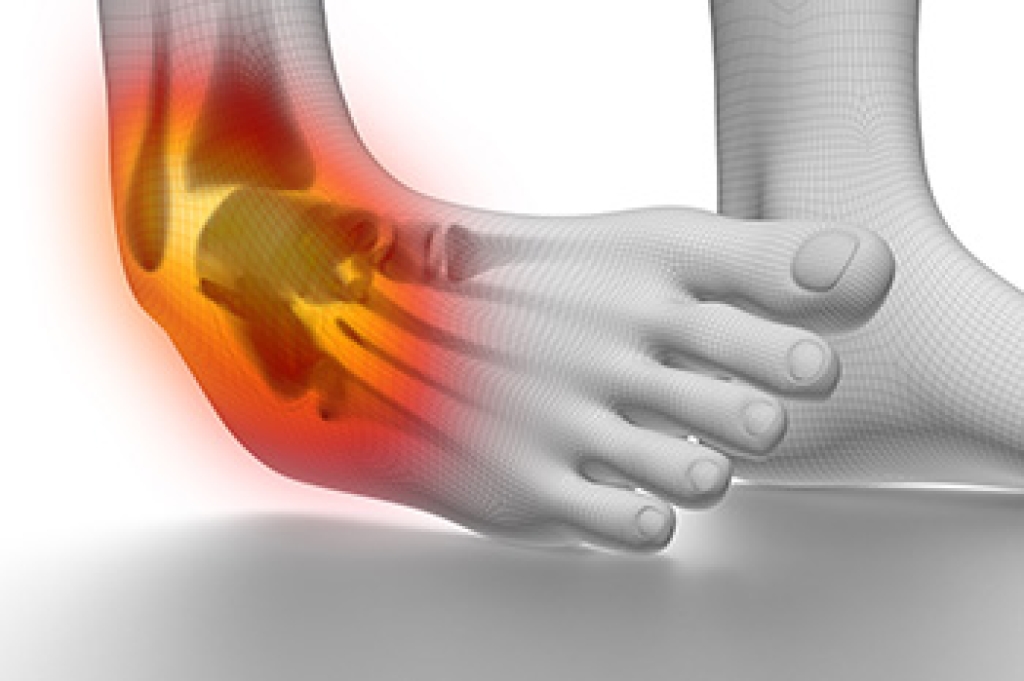
Symptoms and Causes of Plantar Fasciitis

Plantar fasciitis is a painful condition that affects the broad band of tissue along the bottom of the foot.  This tissue, called the plantar fascia, supports the arch and connects the heel to the toes. When it becomes irritated or inflamed, heel pain often develops. Causes include long periods of standing, running, rapid weight gain, and tight calf muscles. Flat feet, high arches, and shoes that do not provide enough support can also increase the risk. Symptoms of plantar fasciitis include sharp pain in the heel, especially with the first steps in the morning or after sitting for a long time. The pain may ease with movement but often returns after long periods of being on your feet. A podiatrist can examine the foot to identify the cause. Treatment options include prescribing custom orthotics, stretching exercises, and support for proper foot function. If you have symptoms of plantar fasciitis, it is suggested that you schedule an appointment with a podiatrist for a diagnosis and appropriate treatment. 

Plantar fasciitis is a common foot condition that is often caused by a strain injury. If you are experiencing heel pain or symptoms of plantar fasciitis, contact one of our podiatrists from Warren-Watchung Podiatry Center. Our doctors can provide the care you need to keep you pain-free and on your feet.

What Is Plantar Fasciitis?

Plantar fasciitis is one of the most common causes of heel pain. The plantar fascia is a ligament that connects your heel to the front of your foot. When this ligament becomes inflamed, plantar fasciitis is the result. If you have plantar fasciitis you will have a stabbing pain that usually occurs with your first steps in the morning. As the day progresses and you walk around more, this pain will start to disappear, but it will return after long periods of standing or sitting.

What Causes Plantar Fasciitis?

  • Excessive running
  • Having high arches in your feet
  • Other foot issues such as flat feet
  • Pregnancy (due to the sudden weight gain)
  • Being on your feet very often

There are some risk factors that may make you more likely to develop plantar fasciitis compared to others. The condition most commonly affects adults between the ages of 40 and 60. It also tends to affect people who are obese because the extra pounds result in extra stress being placed on the plantar fascia.

Prevention

  • Take good care of your feet – Wear shoes that have good arch support and heel cushioning.
  • Maintain a healthy weight
  • If you are a runner, alternate running with other sports that won’t cause heel pain

There are a variety of treatment options available for plantar fasciitis along with the pain that accompanies it. Additionally, physical therapy is a very important component in the treatment process. It is important that you meet with your podiatrist to determine which treatment option is best for you.

If you have any questions, please feel free to contact one of our offices located in Marlboro and Watchung, NJ . We offer the newest diagnostic and treatment technologies for all your foot care needs.
 

Read more about Plantar Fasciitis

Are Bunions Affecting Your Everyday Life?

Have you noticed a bony protrusion on the side of your big toe? If so, you may have developed the foot condition known as a bunion. Don't let bunions interfere with your daily activities.

Foot Pain in Older Adults and Why It Matters

Foot pain, aching, and stiffness are common in older people and often signal more than simple wear and tear. Discomfort can change how a person walks, leading to reduced mobility, shorter steps, and less time spent being active. Over time, this can weaken muscles, affect balance, and raise the risk of falls and loss of independence. Many people try to ignore symptoms or rely on home remedies, but untreated foot problems can worsen and limit daily life. Seeing a podiatrist is an important step toward relief and prevention. A podiatrist can assess gait, identify underlying conditions, and provide targeted care such as orthotics, exercises, and footwear guidance. If you are older and are suffering from foot discomfort, it is suggested that you see a podiatrist for appropriate care. 

If you need your feet checked, contact one of our podiatrists of Warren-Watchung Podiatry Center. Our doctors will attend to all of your foot and ankle needs and provide you with quality treatment.

Geriatrics and Podiatry
When people age, some common issues that may occur are bone density loss, dry skin, poor circulation, and rough brittle nails. These issues may also affect your foot health if the necessary steps are not taken to alleviate the problems.

It is important to take care of your feet because feet that are injured or diseased can affect your overall health. Having painful feet hinders your ability to do daily activities or may decrease your willingness to do the things that you need to do.

Visiting Your Geriatrician
As we age, health problems become more likely, so it is essential to visit your doctor for check-ups to ensure that you are doing the best you can to take care of your health. It is recommended to check your feet frequently for any possible cuts, bruises, swelling, corns or any other irregularities. 

Taking Care of Elderly Feet
Cracked or dry feet can be treated by applying moisturizer often. It is also important not to wear old socks because the older the sock is, the higher the possibility there will be that there is bacteria there. Wear fresh socks and make sure they fit properly.

Proper foot health means that you can have a more active lifestyle and you will not be bogged down by pain. Foot health also leads to good circulation, which is paramount for overall health.

If you have any questions, please feel free to contact one of our offices located in Marlboro and Watchung, NJ . We offer the newest diagnostic and treatment technologies for all your foot care needs.

Read more about Geriatrics and Podiatry

Connect With Us