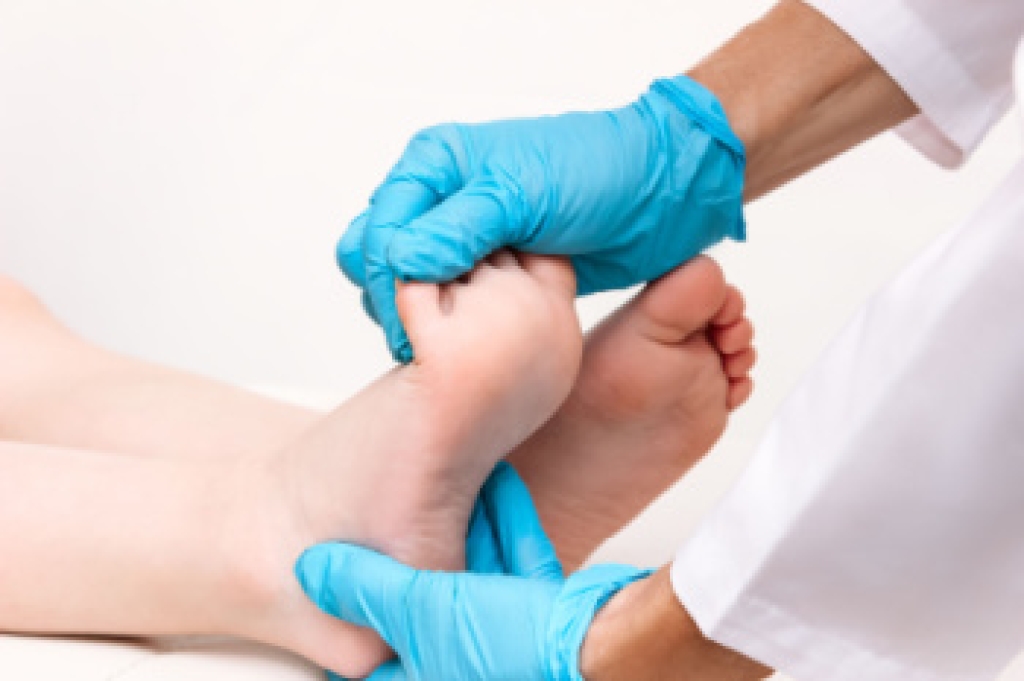
Long-Term Impact of Achille’s Tendon Injuries

An injury involving the Achille’s tendon, especially a rupture, can leave ongoing issues even after healing. People often report reduced strength in the lower leg, making activities like pushing off the foot or climbing stairs more difficult. Limited flexibility and ankle stiffness may persist, especially after rest. Muscle shrinkage in the calf can occur due to disuse during recovery, sometimes creating an uneven appearance between legs. Changes in walking or movement patterns are also common, which may place extra stress on nearby joints such as the knees or hips. Some individuals continue to feel tightness or discomfort long term, while others face a higher chance of reinjury if they return to activity too quickly. Proper rehabilitation, gradual strengthening, and targeted exercises are important to help restore mobility, improve function, and reduce the risk of lasting complications. If you have sustained an injury to your Achille’s tendon, it is suggested that you see a podiatrist for appropriate treatment.

Achilles tendon injuries need immediate attention to avoid future complications. If you have any concerns, contact one of our podiatrists of Warren-Watchung Podiatry Center. Our doctors can provide the care you need to keep you pain-free and on your feet.

What Is the Achilles Tendon?

The Achilles tendon is a tendon that connects the lower leg muscles and calf to the heel of the foot. It is the strongest tendon in the human body and is essential for making movement possible. Because this tendon is such an integral part of the body, any injuries to it can create immense difficulties and should immediately be presented to a doctor.

What Are the Symptoms of an Achilles Tendon Injury?

There are various types of injuries that can affect the Achilles tendon. The two most common injuries are Achilles tendinitis and ruptures of the tendon.

Achilles Tendinitis Symptoms

  • Inflammation
  • Dull to severe pain
  • Increased blood flow to the tendon
  • Thickening of the tendon

Rupture Symptoms

  • Extreme pain and swelling in the foot
  • Total immobility

Treatment and Prevention

Achilles tendon injuries are diagnosed by a thorough physical evaluation, which can include an MRI. Treatment involves rest, physical therapy, and in some cases, surgery. However, various preventative measures can be taken to avoid these injuries, such as:

  • Thorough stretching of the tendon before and after exercise
  • Strengthening exercises like calf raises, squats, leg curls, leg extensions, leg raises, lunges, and leg presses

If you have any questions please feel free to contact one of our offices located in Marlboro and Watchung, NJ . We offer the newest diagnostic tools and technology to treat your foot and ankle needs.
Read more about Achilles Tendon Injuries

Diabetic and Non-Diabetic Foot Ulcers Explained

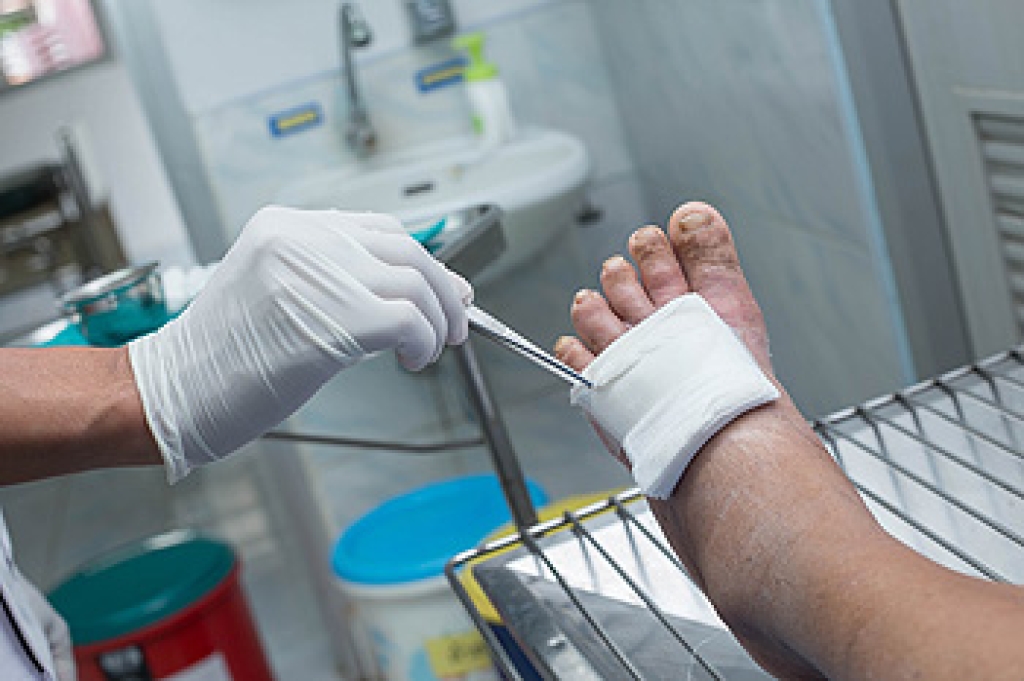
Foot ulcers are open sores that commonly affect the feet and can occur in both diabetic and non-diabetic individuals. Diabetic foot ulcers are primarily caused by peripheral neuropathy and poor circulation, which reduce sensation and slow healing. Minor injuries may go unnoticed and develop into serious wounds. In contrast, non-diabetic foot ulcers are often linked to pressure, trauma, vascular disease, or skin conditions. While they may heal more predictably, underlying issues still require attention. Both types need proper wound care, including cleaning, protection, and sometimes medical treatment. Early diagnosis is essential to prevent infection or complications. Maintaining good foot hygiene, wearing supportive footwear, and monitoring skin changes can significantly reduce risk and promote healing outcomes. Patients should seek professional care from a podiatrist if wounds do not improve quickly or show signs of redness, swelling, pain, or discharge. Early intervention improves overall recovery.

Wound care is an important part in dealing with diabetes. If you have diabetes and a foot wound or would like more information about wound care for diabetics, consult with one of our podiatrists from Warren-Watchung Podiatry Center. Our doctors will assess your condition and provide you with quality foot and ankle treatment.

What Is Wound Care?

Wound care is the practice of taking proper care of a wound. This can range from the smallest to the largest of wounds. While everyone can benefit from proper wound care, it is much more important for diabetics. Diabetics often suffer from poor blood circulation which causes wounds to heal much slower than they would in a non-diabetic. 

What Is the Importance of Wound Care?

While it may not seem apparent with small ulcers on the foot, for diabetics, any size ulcer can become infected. Diabetics often also suffer from neuropathy, or nerve loss. This means they might not even feel when they have an ulcer on their foot. If the wound becomes severely infected, amputation may be necessary. Therefore, it is of the upmost importance to properly care for any and all foot wounds.

How to Care for Wounds

The best way to care for foot wounds is to prevent them. For diabetics, this means daily inspections of the feet for any signs of abnormalities or ulcers. It is also recommended to see a podiatrist several times a year for a foot inspection. If you do have an ulcer, run the wound under water to clear dirt from the wound; then apply antibiotic ointment to the wound and cover with a bandage. Bandages should be changed daily and keeping pressure off the wound is smart. It is advised to see a podiatrist, who can keep an eye on it.

If you have any questions please contact one of our offices located in Marlboro and Watchung, NJ . We offer the newest diagnostic and treatment technologies for all your foot and ankle needs.

Read more about Wound Care

Risk Factors for Plantar Fibroma

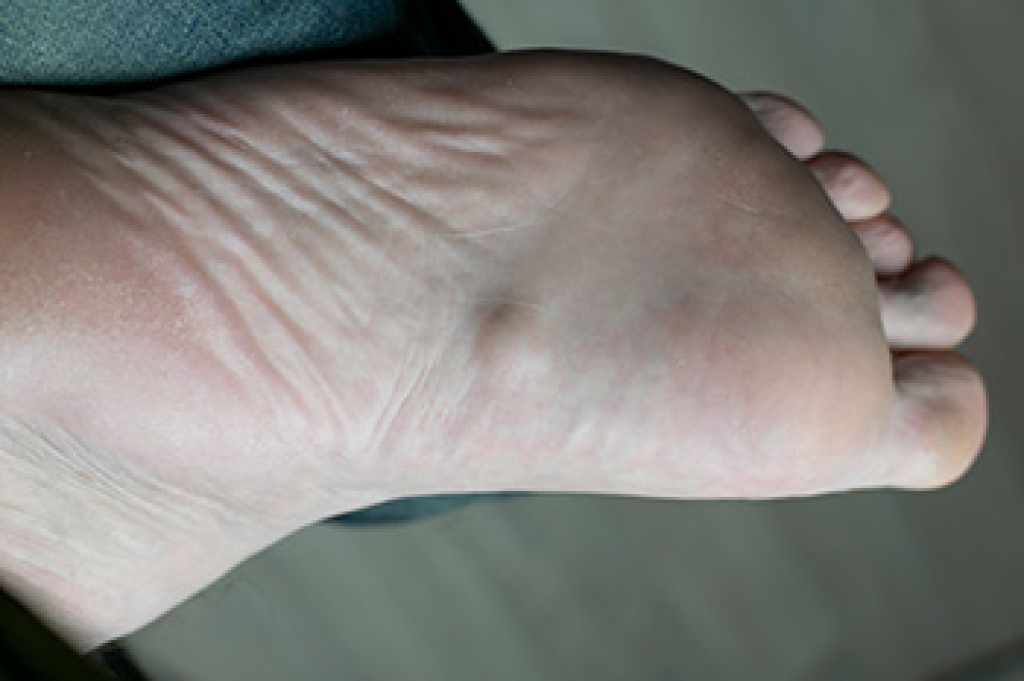
A plantar fibroma is a benign growth that develops within the plantar fascia, the thick band of tissue along the bottom of the foot. It often appears as a firm lump in the arch, and may gradually increase in size. Symptoms include discomfort, pressure when walking, and pain while wearing shoes. The exact cause is not always clear, but factors like trauma, genetic predisposition, and certain medical conditions may contribute. There is also a noted association with fibrous conditions elsewhere in the body, including uterine fibroids, which may be considered a risk factor. A podiatrist can diagnose a plantar fibroma and provide treatment options to relieve pain and improve mobility. A plantar fibroma may be uncomfortable, and may cause difficulty in completing daily activities. If you have developed this condition, it is suggested that you consult a podiatrist who can offer effective relief and treatment solutions.

A plantar fibroma may disrupt your daily activities. If you have any concerns, contact one of our podiatrists of Warren-Watchung Podiatry Center. Our doctors can provide the care you need to keep you pain-free and on your feet.

Plantar Fibroma

A plantar fibroma is a fibrous knot in the arch of the foot. It is embedded in the plantar fascia which is a band of tissue that extends from the heel to the toes along the bottom of the foot. There can be multiple plantar fibromas in the feet at the same time. There are no known causes for this condition. If you have a plantar fibroma, there will be a bump in the arch of your foot that cannot be missed. Any associated pain is most often due to a shoe rubbing against the nodule. Non-surgical options, such as steroid injections, physical therapy, and orthotics should be tried first. Surgery is a last resort and is the only thing that will remove a plantar fibroma entirely. Consult with a podiatrist for a proper diagnosis and to determine the treatment regimen that is right for you.

What Causes a Plantar Fibroma?

While there are no specific causes identified, a plantar fibroma can possibly come from genetic predisposition or the formation of scar tissue that forms from healing the tears in the plantar fascia.

What Are the Symptoms of a Plantar Fibroma?

There will be a noticeable lump in the arch of the foot that may or may not cause pain. If pain is felt, it is typically because a shoe is rubbing up against the lump or when walking or standing barefoot.

Treatment and Prevention

A plantar fibroma will not disappear without treatment, but it can get smaller and be a non-issue. If pain persists, a podiatrist examines the foot and when the arch of the foot is pressed, pain can be felt down to the toes. An MRI or biopsy might be performed to help diagnose or evaluate the plantar fibroma. The following non-surgical options are generally enough to reduce the size and pain of these nodules:

  • Steroid injections
  • Orthotics
  • Physical therapy to help apply anti-inflammatory creams on the bump 

Surgery is considered if the mass increases in size and the patient continues to feel pain after non-surgical methods are tried.

If you have any questions, please feel free to contact one of our offices located in Marlboro and Watchung, NJ . We offer the newest diagnostic and treatment technologies for all your foot care needs.

Read more about Plantar Fibroma

Are You Suffering From Ingrown Toenails?

If left untreated, an ingrown toenail can lead to more serious concerns, such as an infection. Knowing proper nail care can help in the prevention of an ingrown toenail. Give us a call, and get treated!

Treatment Options for Nail Fungus in Children

Nail fungus, also called onychomycosis, is a fungal infection that affects the nails. It can cause nails to become thick, discolored, brittle, or misshapen. While more common in adults, children can develop this condition, especially if their feet stay moist or if they have had athlete’s foot, a fungal infection of the skin on the feet. Treatment depends on how severe the infection is. Mild cases may improve with topical antifungal medications applied directly to the nail. More persistent cases may require oral medication to clear the infection from within. Keeping nails trimmed, clean, and dry can support healing and help prevent spread. It is also important to avoid sharing nail clippers or shoes. Early care can make treatment easier and more effective. If you notice changes in your child’s nails, it is suggested that you see a podiatrist for a proper diagnosis and appropriate treatment.

If left untreated, toenail fungus may spread to other toenails, skin, or even fingernails. If you suspect you have toenail fungus it is important to seek treatment right away. For more information about treatment, contact one of our podiatrists of Warren-Watchung Podiatry Center. Our doctors can provide the care you need to keep you pain-free and on your feet.

Symptoms

  • Warped or oddly shaped nails
  • Yellowish nails
  • Loose/separated nail
  • Buildup of bits and pieces of nail fragments under the nail
  • Brittle, broken, thickened nail

Treatment

If self-care strategies and over-the-counter medications does not help your fungus, your podiatrist may give you a prescription drug instead. Even if you find relief from your toenail fungus symptoms, you may experience a repeat infection in the future.

Prevention

In order to prevent getting toenail fungus in the future, you should always make sure to wash your feet with soap and water. After washing, it is important to dry your feet thoroughly especially in between the toes. When trimming your toenails, be sure to trim straight across instead of in a rounded shape. It is crucial not to cover up discolored nails with nail polish because that will prevent your nail from being able to “breathe”.

In some cases, surgical procedure may be needed to remove the toenail fungus. Consult with your podiatrist about the best treatment options for your case of toenail fungus.  

If you have any questions please contact one of our offices located in Marlboro and Watchung, NJ . We offer the newest diagnostic and treatment technologies for all your foot and ankle needs.

Read more about Toenail Fungus

Connect With Us