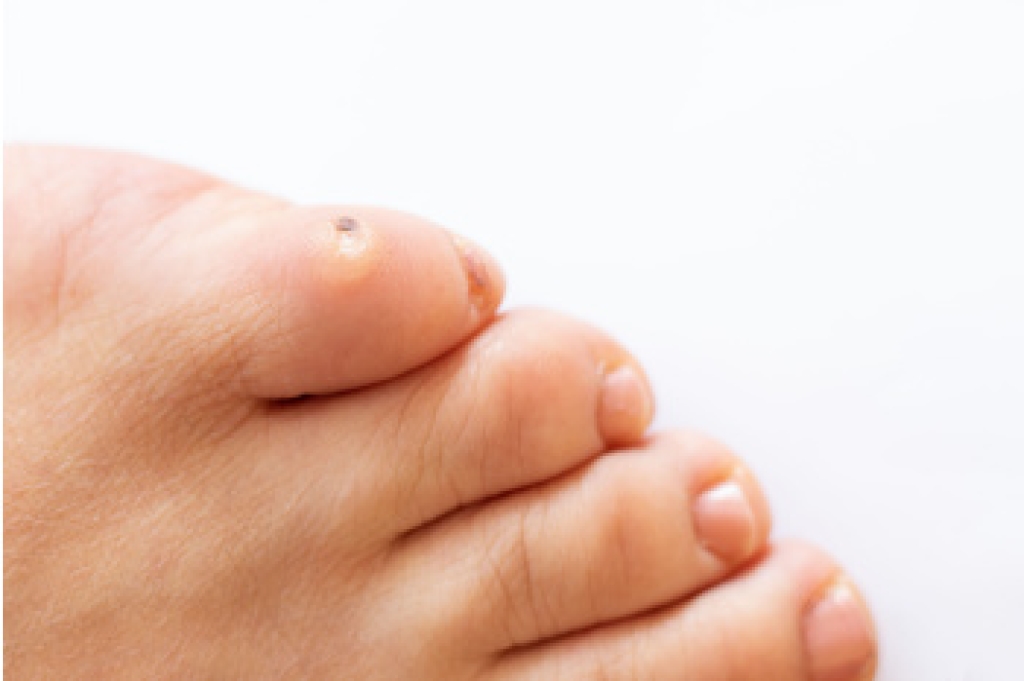
Foot Corn Causes and Practical Ways to Reduce Pain

Foot corns are small, thickened areas of skin that develop as a protective response to repeated pressure and friction. These hardened patches typically form on the top and sides of toes or on weight-bearing areas of the feet. Corns differ from calluses in that they are more localized and often have a dense central core. This condition can become painful over time, especially when pressure continues without relief. Understanding how corns form helps individuals take steps to prevent irritation and maintain overall foot comfort.


Several causes contribute to the development of foot corns. Repeated rubbing from wearing tight or poorly fitting shoes is one of the most common factors. Footwear that compresses the toes increases friction and encourages thick skin buildup. Not wearing socks can worsen the issue by allowing direct contact between the skin and shoe material. Structural issues such as toe deformities may also increase pressure in certain areas. Eventually, these repeated stress points lead to the formation of hard or soft corns depending on their location.


Symptoms of foot corns often include a raised, hardened area of skin that may feel rough or thick to the touch. Hard corns typically develop on the tops of toes, while soft corns may form between toes where moisture is present. Pain or tenderness is common, especially while walking or wearing shoes. Some individuals experience redness and irritation surrounding the affected area. If pressure continues, discomfort may increase and interfere with daily movement.


Risk factors include wearing ill-fitting shoes, walking without socks, prolonged standing, and foot structure that creates uneven pressure points. Individuals with active lifestyles or occupations that require long hours on their feet may be more prone to this condition. Managing corns involves reducing friction, wearing properly fitted footwear, and protecting sensitive areas. Early care can prevent worsening symptoms and improve comfort. Corns can be painful. If you have foot corns, it is suggested that you consult a podiatrist for effective relief and treatment solutions.

Corns can make walking very painful and should be treated immediately. If you have questions regarding your feet and ankles, contact one of our podiatrists of Warren-Watchung Podiatry Center. Our doctors will treat your foot and ankle needs.

Corns: What Are They? And How Do You Get Rid of Them?
Corns are thickened areas on the skin that can become painful. They are caused by excessive pressure and friction on the skin. Corns press into the deeper layers of the skin and are usually round in shape.

Ways to Prevent Corns
There are many ways to get rid of painful corns such as:

  • Wearing properly fitting shoes that have been measured by a professional
  • Wearing shoes that are not sharply pointed or have high heels
  • Wearing only shoes that offer support

Treating Corns

Although most corns slowly disappear when the friction or pressure stops, this isn’t always the case. Consult with your podiatrist to determine the best treatment option for your case of corns.

If you have any questions, please feel free to contact one of our offices located in Marlboro and Watchung, NJ . We offer the newest diagnostic and treatment technologies for all your foot care needs.
Read more about Understanding Corns and Calluses

When Flat Feet in Toddlers Deserve a Closer Look

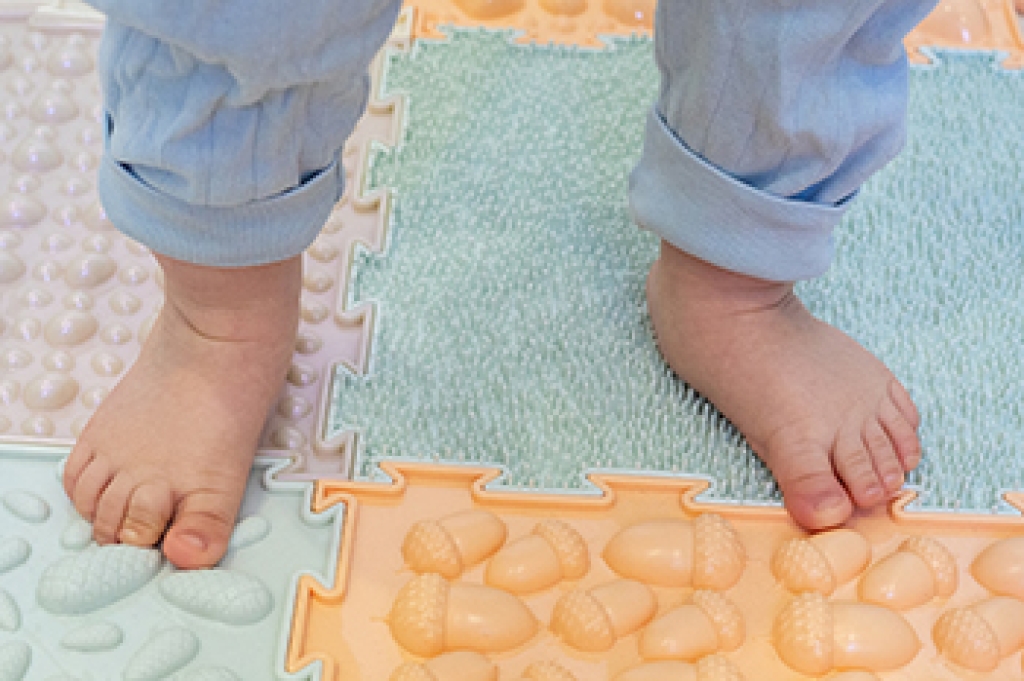
A toddler’s flat feet can worry parents, especially when their footprints show little or no arch. In many cases, a toddler’s feet still contain soft tissue that hides the arch while the bones, muscles, and ligaments continue to develop. Ligaments are strong bands of tissue that support the joints. As children grow, the arch becomes easier to see. Even so, some toddlers develop symptoms that deserve professional attention. Warning signs include foot pain, frequent tripping, or difficulty keeping up with other children. Some toddlers also show uneven shoe wear or seem tired after short periods of play. A podiatrist can determine whether flat feet are part of normal development or whether another condition is affecting the way the feet function.

A podiatrist begins with a thorough medical history and a careful examination while the child is sitting, standing, and walking. Watching a toddler walk helps reveal whether the foot remains flexible or appears stiff. The podiatrist also checks foot alignment, ankle movement, and the position of the heel. Parents can describe pain, changes in activity, or repeated ankle sprains that help guide the evaluation. Imaging, like an X-ray, is not necessary for every child. It is used when pain is unusual, movement is limited, or the podiatrist suspects an underlying bone problem. This careful approach helps identify toddlers who need closer monitoring and those who could benefit from further treatment.

Most toddlers with flexible flat feet do not require surgery. However, children with ongoing pain, reduced function, or a rigid foot shape benefit from prompt evaluation. A podiatrist can recommend supportive shoes or inserts, monitor changes in foot development, and determine whether additional testing is needed. If surgery becomes necessary, it is reserved for carefully selected cases after a thorough examination and accompanying imaging studies. The goal is to improve foot function, relieve pain, and support healthy growth. If your child has problems related to flat feet, it is suggested that you schedule an appointment with a podiatrist for a diagnosis and appropriate treatment.

Flatfoot is a condition many people suffer from. If you have flat feet, contact one of our podiatrists from Warren-Watchung Podiatry Center. Our doctors will treat your foot and ankle needs.

What Are Flat Feet?

Flatfoot is a condition in which the arch of the foot is depressed and the sole of the foot is almost completely in contact with the ground. About 20-30% of the population generally has flat feet because their arches never formed during growth.

Conditions & Problems:

Having flat feet makes it difficult to run or walk because of the stress placed on the ankles.

Alignment – The general alignment of your legs can be disrupted, because the ankles move inward which can cause major discomfort.

Knees – If you have complications with your knees, flat feet can be a contributor to arthritis in that area.  

Symptoms

  • Pain around the heel or arch area
  • Trouble standing on the tip toe
  • Swelling around the inside of the ankle
  • Flat look to one or both feet
  • Having your shoes feel uneven when worn

Treatment

If you are experiencing pain and stress on the foot you may weaken the posterior tibial tendon, which runs around the inside of the ankle. 

If you have any questions, please feel free to contact one of our offices located in Marlboro and Watchung, NJ . We offer the newest diagnostic and treatment technologies for all your foot care needs.

Read more about Flatfoot

How Offloading Helps Diabetic Foot Ulcers Heal

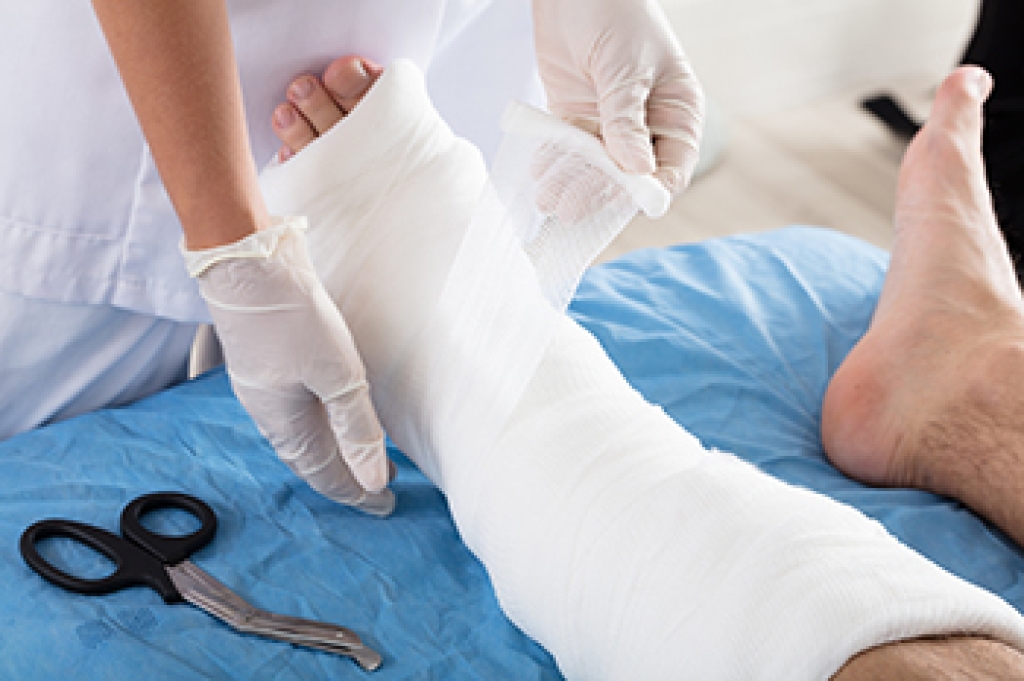
Many diabetic foot ulcers develop because nerve damage reduces feeling in the feet. This condition, known as neuropathy, makes it harder to notice pain, irritation, or injury. As a result, a person may continue putting pressure on an ulcer without realizing it. Offloading is an important part of treating diabetic foot ulcers. Offloading means reducing pressure on the area of the foot where an ulcer has developed. When too much pressure continues to affect a wound while walking, healing becomes much more difficult. A podiatrist can evaluate the location and severity of the wound and determine the most effective offloading approach to improve healing.

Several offloading methods are available depending on the ulcer's location and the patient's needs. A knee-high walking device is often used because it helps spread weight more evenly across the foot. Some devices are designed so they cannot be removed by the patient, which helps ensure consistent protection of the ulcer. Removable devices are another option for patients who cannot tolerate a non-removable device. Certain ulcers on the toes, heel, or other parts of the foot require different forms of pressure relief. A podiatrist carefully selects the most appropriate device based on the wound, foot structure, and overall health of the patient.

Successful treatment of diabetic foot ulcers involves more than covering the wound. Reducing pressure helps improve blood flow to the area and creates a better environment for healing. A podiatrist monitors the ulcer regularly and adjusts treatment as healing progresses. In some cases, surgery becomes necessary when non-surgical offloading methods do not provide enough relief from pressure. Early treatment is important because untreated ulcers can become infected and lead to serious complications. Proper offloading remains one of the most effective ways to promote healing and reduce the risk of additional tissue damage. If you have developed diabetic foot ulcers, it is strongly suggested that you are under the care of a podiatrist who can help you to manage this serious condition.

Diabetic Limb Salvage

Diabetic limb salvage can be an effective way in preventing the need for limb amputation. If you have a foot ulcer and diabetes, consult with one of our podiatrists from Warren-Watchung Podiatry Center. Our doctors will assess your condition and provide you with quality foot and ankle treatment.

What Is Diabetic Limb Salvage?

Diabetic limb salvage is the attempt of saving a limb, such as the foot, that has an infected ulcer, from amputation. Podiatrists also try to make sure that there is enough function in the foot after the salvage that it is still usable. Those with diabetes experience poor blood circulation, which prevents proper healing of an ulcer. If the ulcer is left uncheck, it could become infected, which could result in the need for amputation.

Diabetes is the number one cause of non-traumatic amputations in the United States. Amputation has been found to lead to higher mortality rates. This translates into higher healthcare costs, and a reduced quality of life and mobility for amputees. Podiatrists have attempted to increase the prevalence of limb salvage in an attempt to solve these issues.

Diagnosis and Treatment

Limb salvage teams have grown in recent years that utilize a number of different treatments to save the infected limb. This includes podiatrists that specialize in wound care, rehabilitation, orthotics, and surgery. Through a combination of these methods, limb salvage has been found to be an effective treatment for infected limbs, and as an alternative to amputation. Podiatrists will first evaluate the potential for limb salvage and determine if the limb can be saved or must be amputated. 

If you have any questions, please feel free to contact one of our offices located in Marlboro and Watchung, NJ . We offer the newest diagnostic and treatment technologies for all your foot care needs.
Read more about Diabetic Limb Salvage

Toenail Fungus From Early Signs to Severe Nail Damage

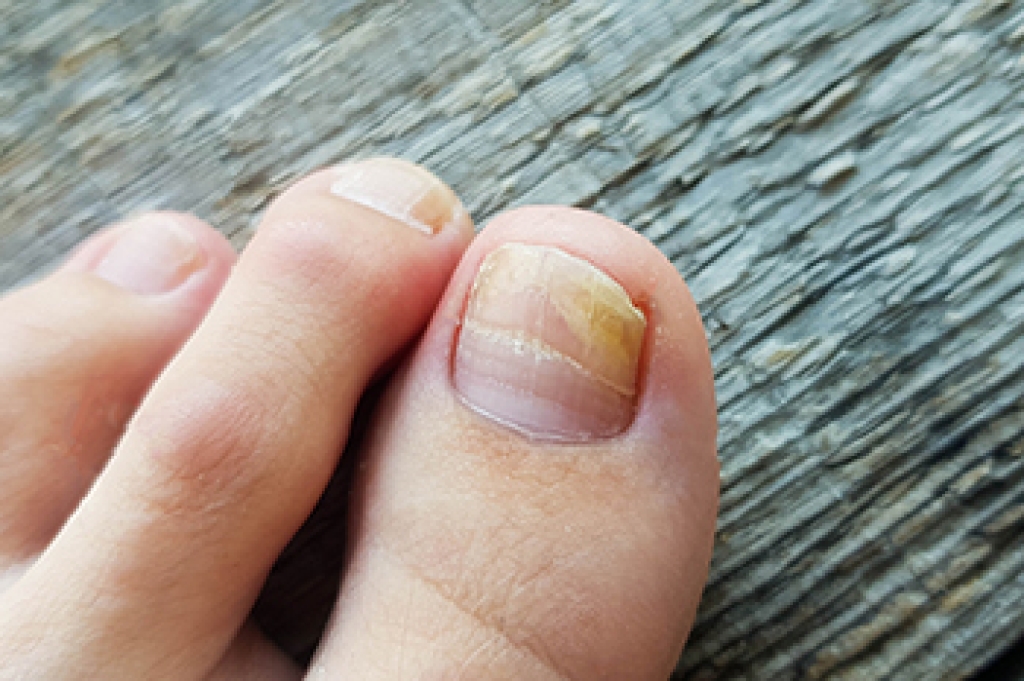
Toenail fungus, also known as onychomycosis, is a progressive infection caused by fungi that thrive in warm, moist environments. It typically begins when microscopic organisms enter through small cracks in the nail or surrounding skin. In the early stage, the infection may appear as a small white or yellow spot under the nail surface. At this point, symptoms are mild and often overlooked, with little to no discomfort. This stage can last several weeks to a few months, depending on hygiene, footwear, and immune response. Early identification is important because treatment is more effective before the infection spreads deeper into the nail.

As the condition progresses into the moderate stage, visible changes become more noticeable. The nail may thicken, discolor, and develop a brittle or crumbly texture. Yellow-brown staining and slight lifting of the nail from the nail bed are common. Mild discomfort may develop, especially while wearing shoes. This stage can persist for several months and is often when patients begin seeking care. Without treatment, the fungus continues to spread, making the nail harder to manage and increasing the risk of complications.


In the advanced stage, toenail fungus can cause significant nail deformity and discomfort. The nail may become severely thickened and dark in color. In some cases, the nail may partially detach from the nail bed or emit an unpleasant odor. Pain may occur with walking or pressure, especially in tight footwear. This stage may take a year or longer to fully develop and often requires more aggressive treatment. The infection can also spread to other nails or surrounding skin if not properly addressed.


Risk factors play a major role in fungal progression. Individuals with diabetes, weakened immune systems, or poor circulation are more susceptible. Wearing tight-fitting shoes, excessive sweating, and walking barefoot in communal areas increase exposure. Older adults are at higher risk due to slower nail growth and reduced immunity. Proper foot hygiene and early care can slow or prevent progression. If you notice changes in your toenails, it is strongly suggested that you consult a podiatrist for effective treatment solutions, which may include prescribed medication.

For more information about treatment, contact one of our podiatrists of Warren-Watchung Podiatry Center. Our doctors can provide the care you need to keep you pain-free and on your feet.

Toenail Fungus Treatment

Toenail fungus is a condition that affects many people and can be especially hard to get rid of. Fortunately, there are several methods to go about treating and avoiding it.

Antifungals & Deterrence

Oral antifungal medicine has been shown to be effective in many cases. It is important to consult with a podiatrist to determine the proper regiment for you, or potentially explore other options.

Applying foot powder on the feet and shoes helps keep the feet free of moisture and sweat.

Sandals or open toed shoes – Wearing these will allow air movement and help keep feet dry. They also expose your feet to light, which fungus cannot tolerate. Socks with moisture wicking material also help as well.

If you have any questions please contact one of our offices located in Marlboro and Watchung, NJ . We offer the newest diagnostic and treatment technologies for all your foot and ankle needs.

Read more about Treating Toenail Fungus

Connect With Us