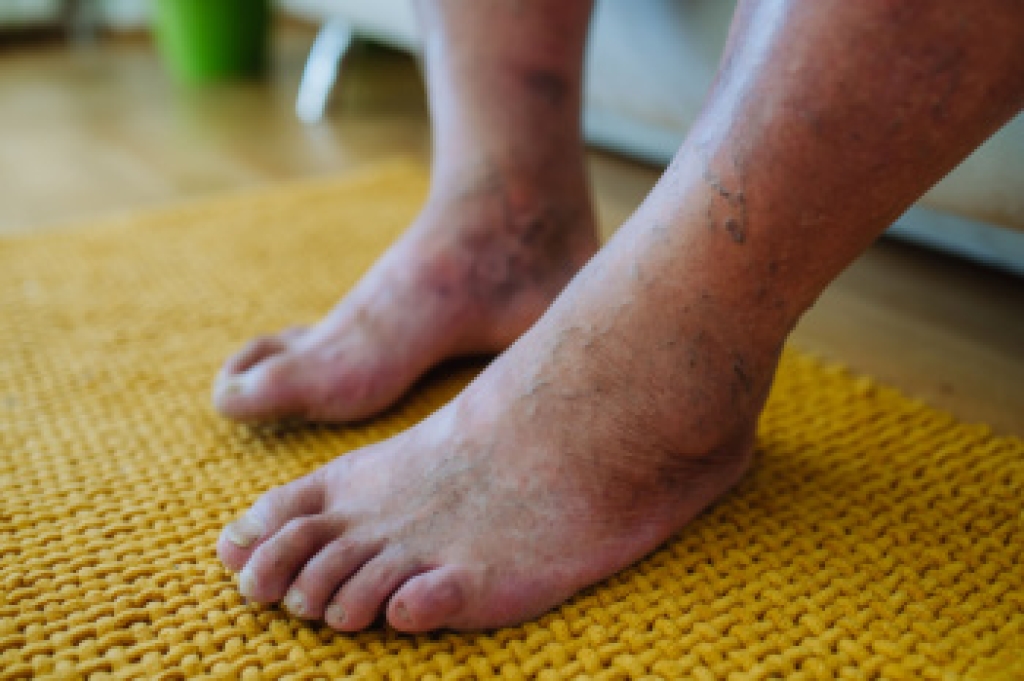
Understanding Osteoarthritis of the Ankle

Osteoarthritis of the ankle is a form of ankle arthritis that occurs when the protective cartilage within the ankle joint gradually breaks down. Cartilage helps the bones move smoothly against one another, but when it wears away, the joint can become painful and stiff. Unlike osteoarthritis in the knee or hip, ankle osteoarthritis is often linked to a previous injury, such as a severe ankle sprain or fracture. Common symptoms include chronic ankle pain, swelling, reduced range of motion, and discomfort during walking or other weight-bearing activities. As the condition progresses, some people may notice changes in the way they walk due to pain and stiffness in the joint.


Ankle osteoarthritis can have a significant impact on mobility and quality of life. Everyday activities such as climbing stairs, exercising, or standing for long periods may become more difficult. Some patients experience pain that worsens throughout the day, while others notice stiffness after periods of inactivity. In more advanced cases, the ankle joint may become less stable, making movement uncomfortable and limiting participation in favorite activities. Because ankle pain can result from several different conditions, obtaining an accurate diagnosis is important. Early evaluation can help identify osteoarthritis of the ankle and determine the most appropriate course of treatment.


A podiatrist is a foot and ankle specialist who is trained to diagnose and treat ankle osteoarthritis and other causes of ankle pain. During an evaluation, a podiatrist may assess joint function, review medical history, and use imaging studies to better understand the condition. Treatment options may focus on reducing pain, improving mobility, and preserving joint function. Depending on the severity of the arthritis, care may include custom orthotics, bracing, medications, injections, or surgical recommendations when necessary. Seeking prompt podiatry care may help patients maintain an active lifestyle and avoid further joint damage. If you are experiencing chronic ankle pain, swelling, stiffness, or difficulty walking, it is suggested that you consult a podiatrist for an evaluation and appropriate treatment options.

Arthritis can be a difficult condition to live with. If you are seeking treatment, contact one of our podiatrists from Warren-Watchung Podiatry Center. Our doctors can provide the care you need to keep you pain-free and on your feet.

Arthritic Foot Care  

Arthritis is a joint disorder that involves the inflammation of different joints in your body, such as those in your feet. Arthritis is often caused by a degenerative joint disease and causes mild to severe pain in all affected areas. In addition to this, swelling and stiffness in the affected joints can also be a common symptom of arthritis.

In many cases, wearing ill-fitting shoes can worsen the effects and pain of arthritis. Wearing shoes that have a lower heel and extra room can help your feet feel more comfortable. In cases of rheumatoid arthritis, the arch in your foot may become problematic. Buying shoes with proper arch support that contour to your feet can help immensely.

Alleviating Arthritic Pain

  • Exercises that stretch the foot can prevent further pain and injury and increase mobility
  • Most of the pain can be alleviated with anti-inflammatory drugs, heat, and topical medications
  • Massages can help temporarily alleviate pain.

It is best to see your doctor for the treatment that is right for your needs and symptoms. Conditions vary, and a podiatrist can help you determine the right method of care for your feet.

If you have any questions please feel free to contact one of our offices located in Marlboro and Watchung, NJ . We offer the newest diagnostic tools and technology to treat your foot and ankle needs.

Read more about How to Care for Your Arthritic Foot

Who Commonly Develops Plantar Warts

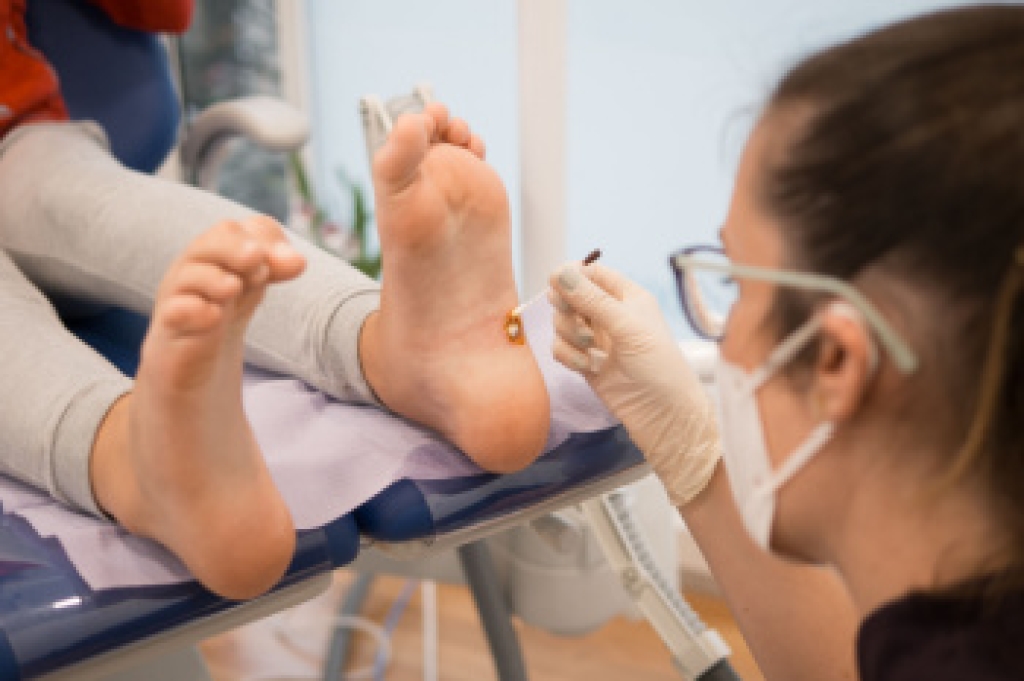
Plantar warts are skin growths that appear on the bottom of the foot after exposure to certain viruses that enter through small breaks in the skin. They can affect people of all ages, but are seen more often in children, teenagers, and young adults. Shared environments like locker rooms, pool decks, and communal showers may increase exposure risk. People who sweat heavily, walk barefoot in public spaces, or have weakened immune defenses may also be more likely to develop them. These growths can appear as rough, thickened areas on weight-bearing parts of the foot and may become painful while walking or standing. Because they can resemble calluses or other skin conditions, proper diagnosis is important. Some resolve over time, while others persist or spread. If you have a painful skin lesion on the bottom of your foot, it is suggested that you visit a podiatrist for an evaluation and appropriate treatment.

Plantar warts can be very uncomfortable. If you need your feet checked, contact one of our podiatrists from Warren-Watchung Podiatry Center. Our doctors will assist you with all of your foot and ankle needs.

About Plantar Warts

Plantar warts are the result of HPV, or human papillomavirus, getting into open wounds on the feet. They are mostly found on the heels or balls of the feet.

While plantar warts are generally harmless, those experiencing excessive pain or those suffering from diabetes or a compromised immune system require immediate medical care. Plantar warts are easily diagnosed, usually through scraping off a bit of rough skin or by getting a biopsy.

Symptoms

  • Lesions on the bottom of your feet, usually rough and grainy
  • Hard or thick callused spots
  • Wart seeds, which are small clotted blood vessels that look like little black spots
  • Pain, discomfort, or tenderness of your feet when walking or standing

Treatment

  • Freezing
  • Electric tool removal
  • Laser Treatment
  • Topical Creams (prescription only)
  • Over-the-counter medications

To help prevent developing plantar warts, avoid walking barefoot over abrasive surfaces that can cause cuts or wounds for HPV to get into. Avoiding direct contact with other warts, as well as not picking or rubbing existing warts, can help prevent the further spread of plantar warts. However, if you think you have developed plantar warts, speak to your podiatrist. He or she can diagnose the warts on your feet and recommend the appropriate treatment options.

If you have any questions, please feel free to contact one of our offices located in Marlboro and Watchung, NJ . We offer the newest diagnostic and treatment technologies for all your foot care needs.

Read more about What Are Plantar Warts?

Flat Foot Surgery and What to Consider

Flat feet is a condition where the arch of the foot collapses, causing the sole to rest flat on the ground. This can develop from genetics, tendon dysfunction, injury, or gradual wear. When symptoms like pain, instability, or difficulty walking become severe, foot surgery may be considered. Flat foot reconstruction can involve repairing tendons, realigning bones, or placing supportive implants to restore the arch. The benefits may include improved stability, reduced pain, and better function. However, surgery also carries risks, such as recovery time, swelling, and possible complications. A podiatrist carefully evaluates each case, orders imaging, and determines whether conservative care or surgical correction is appropriate. If flat feet are affecting your mobility or comfort, it is strongly suggested that you visit a podiatrist to explore treatment options.

Foot surgery is sometimes necessary to treat a foot ailment. To learn more, contact one of our podiatrists of Warren-Watchung Podiatry Center. Our doctors will assist you with all of your foot and ankle needs.

When Is Surgery Necessary?

Foot and ankle surgery is generally reserved for cases in which less invasive, conservative procedures have failed to alleviate the problem. Some of the cases in which surgery may be necessary include:

  • Removing foot deformities like bunions and bone spurs
  • Severe arthritis that has caused bone issues
  • Cosmetic reconstruction

What Types of Surgery Are There?

The type of surgery you receive will depend on the nature of the problem you have. Some of the possible surgeries include:

  • Bunionectomy for painful bunions
  • Surgical fusion for realignment of bones
  • Neuropathy decompression surgery to treat nerve damage

Benefits of Surgery

Although surgery is usually a last resort, it can provide more complete pain relief compared to non-surgical methods and may allow you to finally resume full activity.

Surgical techniques have also become increasingly sophisticated. Techniques like endoscopic surgery allow for smaller incisions and faster recovery times.

If you have any questions, please feel free to contact one of our offices located in Marlboro and Watchung, NJ . We offer the newest diagnostic and treatment technologies for all your foot care needs.

Read more about Foot Surgery

Gout Pain Can Be Managed

Gout is a painful, inflammatory form of arthritis. Those affected will typically feel an intense stiffness in the joints of their feet, particularly in the big toe. Schedule a visit to learn about how gout can be managed and treated.

Precautions for Diabetic Foot Problems

People with diabetes face a higher risk of foot problems, because reduced blood flow and nerve damage can limit healing and sensation. This means small cuts or pressure areas may go unnoticed, and can develop into serious infections or ulcers. Preventive diabetic foot care is important and includes regular medical foot exams and proper monitoring of skin and nail health. A podiatrist can assess circulation, check for loss of feeling, and identify early warning signs before they worsen. Treatment plans include custom orthotics to reduce pressure, wound care to protect the skin, and guidance on proper footwear that supports and protects the feet. Ongoing evaluations also help manage risk factors linked to diabetes that affect foot health. Early attention to changes in the feet can help prevent long-term problems and preserve mobility. If you have diabetic foot complications, it is strongly suggested that you are under the care of a podiatrist who can help you to manage this serious condition.

Diabetic foot care is important in preventing foot ailments such as ulcers. If you are suffering from diabetes or have any other concerns about your feet, contact one of our podiatrists from Warren-Watchung Podiatry Center. Our doctors can provide the care you need to keep you pain-free and on your feet.

Diabetic Foot Care

Diabetes affects millions of people every year. The condition can damage blood vessels in many parts of the body, especially the feet. Because of this, taking care of your feet is essential if you have diabetes, and having a podiatrist help monitor your foot health is highly recommended.

The Importance of Caring for Your Feet

  • Routinely inspect your feet for bruises or sores.
  • Wear socks that fit your feet comfortably.
  • Wear comfortable shoes that provide adequate support.

Patients with diabetes should have their doctor monitor their blood levels, as blood sugar levels play such a huge role in diabetic care. Monitoring these levels on a regular basis is highly advised.

It is always best to inform your healthcare professional of any concerns you may have regarding your feet, especially for diabetic patients. Early treatment and routine foot examinations are keys to maintaining proper health, especially because severe complications can arise if proper treatment is not applied.

If you have any questions, please feel free to contact one of our offices located in Marlboro and Watchung, NJ . We offer the newest diagnostic and treatment technologies for all your foot care needs.

Read more about Diabetic Foot Care

Connect With Us