Understanding Athlete's Foot and Treatment Options

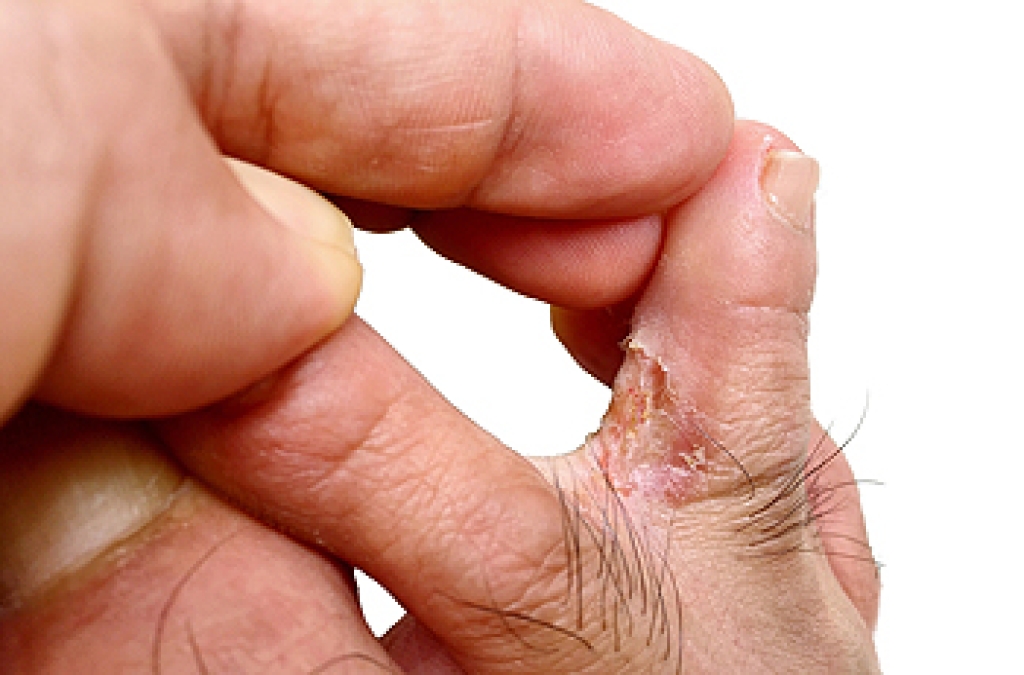
Athlete's foot is a fungal infection that affects the skin of the feet. It frequently develops between the toes, where warmth and moisture can create an environment where fungus grows easily. The infection can also affect the soles and sides of the feet. Athlete's foot can spread through direct contact with infected skin or contaminated surfaces. Symptoms can include itching, burning, and redness. The skin can become cracked or scaly and can begin to peel. Some patients develop small blisters or areas of raw skin. Moist feet and wearing tight-fitting shoes can create conditions that allow the fungus to grow. The infection can cause significant discomfort and can spread to other parts of the foot when it is not properly treated.

A podiatrist can examine the affected skin to determine whether athlete's foot is causing the symptoms. Some skin conditions can look similar, so an accurate diagnosis is important for choosing appropriate treatment. A podiatrist can evaluate the location, appearance, and severity of the affected areas. Treatment can include prescription-strength antifungal medication that targets the fungus. Medication can be applied directly to the skin in some cases. A podiatrist can also prescribe oral antifungal medication for infections that are difficult to control. The toenails can be examined because fungal infections can sometimes spread between the skin and nails. Professional treatment can help control the infection and reduce uncomfortable symptoms.

Athlete's foot can interfere with walking and other daily activities when the skin becomes painful or irritated. Cracks in the skin can also create openings that increase the risk of another infection. A podiatrist can monitor how the affected skin responds to treatment and make adjustments when symptoms continue. Patients who experience repeated infections can also be evaluated for factors that allow moisture to remain around the feet. Podiatry care can focus on controlling the current infection, protecting damaged skin, and reducing the chance of recurring problems. Prompt evaluation is especially important when symptoms become severe or continue to spread. If you have symptoms of athlete's foot, it is suggested that you schedule an appointment with a podiatrist for a diagnosis and appropriate treatment, which  may include prescribed medication.

Athlete’s Foot

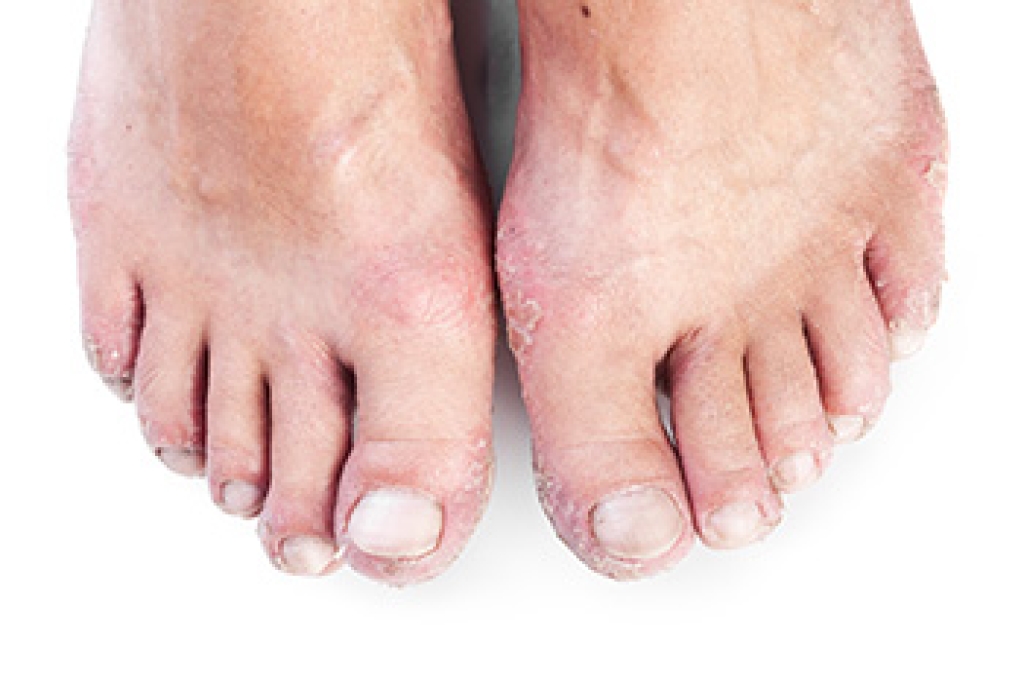
Athlete’s foot is often an uncomfortable condition to experience. Thankfully, podiatrists specialize in treating athlete’s foot and offer the best treatment options. If you have any questions about athlete’s foot, consult with one of our podiatrists from Warren-Watchung Podiatry Center. Our doctors will assess your condition and provide you with quality treatment.

What Is Athlete’s Foot?

Tinea pedis, more commonly known as athlete’s foot, is a non-serious and common fungal infection of the foot. Athlete’s foot is contagious and can be contracted by touching someone who has it or infected surfaces. The most common places contaminated by it are public showers, locker rooms, and swimming pools. Once contracted, it grows on feet that are left inside moist, dark, and warm shoes and socks.

Prevention

The most effective ways to prevent athlete’s foot include:

  • Thoroughly washing and drying feet
  • Avoid going barefoot in locker rooms and public showers
  • Using shower shoes in public showers
  • Wearing socks that allow the feet to breathe
  • Changing socks and shoes frequently if you sweat a lot

Symptoms

Athlete’s foot initially occurs as a rash between the toes. However, if left undiagnosed, it can spread to the sides and bottom of the feet, toenails, and if touched by hand, the hands themselves. Symptoms include:

  • Redness
  • Burning
  • Itching
  • Scaly and peeling skin

Diagnosis and Treatment

Diagnosis is quick and easy. Skin samples will be taken and either viewed under a microscope or sent to a lab for testing. Sometimes, a podiatrist can diagnose it based on simply looking at it. Once confirmed, treatment options include oral and topical antifungal medications.

If you have any questions, please feel free to contact one of our offices located in Marlboro and Watchung, NJ . We offer the newest diagnostic and treatment technologies for all your foot care needs.

Read more about Athlete's Foot

How Psoriatic Arthritis Causes Foot Pain

Psoriatic arthritis is an inflammatory disease that affects the joints and areas where tendons attach to bones. It develops in some people with psoriasis, a condition that causes thick, scaly patches of skin. However, joint symptoms can appear before these skin changes. In the feet, inflammation can cause pain, stiffness, and swelling. The toes may become swollen along their full length, creating a sausage-like appearance. Heel pain can develop where the Achilles tendon joins the heel bone or where the plantar fascia connects beneath the heel. Some patients also feel tenderness in the ankles or pain across the ball of the foot. These symptoms can make standing, climbing stairs, and walking difficult.

Foot problems can vary among patients. Joint swelling can reduce movement and change how weight passes through the foot. This altered pressure can lead to calluses, balance problems, or discomfort in nearby joints. Inflammation may also affect the toenails. Signs include pitting, thickening, and separation from the nail bed. Because these changes can resemble other foot conditions, an accurate diagnosis is important. A podiatrist can examine the feet, review the symptoms, and assess joint movement. The evaluation can also identify areas of abnormal pressure and rule out injuries or other causes of pain.

A podiatrist can help protect foot function and make daily movement more comfortable. Treatment includes custom orthotics to improve support, padding to reduce pressure, and recommendations for properly fitted shoes. A podiatrist can also provide professional care for painful nails or calluses. When inflammation changes the shape or movement of a joint, braces or other supportive devices help improve stability. Regular foot examinations help track joint problems and identify skin or nail concerns before they become harder to manage. If you have foot pain related to psoriatic arthritis, it is suggested that you schedule an appointment with a podiatrist for effective relief and management solutions.

Arthritis can be a difficult condition to live with. If you are seeking treatment, contact one of our podiatrists from Warren-Watchung Podiatry Center. Our doctors can provide the care you need to keep you pain-free and on your feet.

Arthritic Foot Care  

Arthritis is a term that is commonly used to describe joint pain.  The condition itself can occur to anyone of any age, race, or gender, and there are over 100 types of it.  Nevertheless, arthritis is more commonly found in women compared to men, and it is also more prevalent in those who are overweight. The causes of arthritis vary depending on which type of arthritis you have. Osteoarthritis for example, is often caused by injury, while rheumatoid arthritis is caused by a misdirected immune system.

Symptoms

  • Swelling
  • Pain
  • Stiffness
  • Decreased Range of Motion

Arthritic symptoms range in severity, and they may come and go. Some symptoms stay the same for several years but could potentially get worse with time. Severe cases of arthritis can prevent its sufferers from performing daily activities and make walking difficult.

Risk Factors

  • Occupation – Occupations requiring repetitive knee movements have been linked to osteoarthritis
  • Obesity – Excess weight can contribute to osteoarthritis development
  • Infection – Microbial agents can infect the joints and trigger arthritis
  • Joint Injuries – Damage to joints may lead to osteoarthritis
  • Age – Risk increases with age
  • Gender –Most types are more common in women
  • Genetics – Arthritis can be hereditary

If you suspect your arthritis is affecting your feet, it is crucial that you see a podiatrist immediately. Your doctor will be able to address your specific case and help you decide which treatment method is best for you.

If you have any questions please feel free to contact one of our offices located in Marlboro and Watchung, NJ . We offer the newest diagnostic tools and technology to treat your foot and ankle needs.

Read more about Arthritic Foot Care

Toe Fractures Explained

A broken toe, also called a toe fracture, occurs when one of the bones in a toe develops a crack or complete break. Fractures can happen from sudden force or repeated stress. A broken toe may cause pain, swelling, or bruising. Tenderness, or difficulty walking, can also occur. Some fractures are obvious, while smaller cracks may be mistaken for a sprain. Prompt evaluation can help determine the injury and guide appropriate treatment, especially when pain continues or the toe looks abnormal.

One common cause is a crushing injury, such as dropping a heavy object on the foot or having the toe caught under something. Another frequent cause is stubbing the toe forcefully against furniture, a doorway, or another hard surface. Sports injuries, falls, and accidental impacts can also fracture toe bones. Risk may increase with activities involving repeated foot stress or conditions that weaken bone strength.


Any toe can break, although the big toe and smaller toes can be injured in different ways. A big toe fracture may affect balance and walking because the toe carries important weight during movement. Smaller toe fractures often cause localized pain, swelling, bruising, and tenderness. A podiatrist evaluates the toe, checks circulation and sensation, and may order X-rays to determine the fracture location and severity.


Treatment depends on the type and position of the fracture. A podiatrist may protect the toe with taping, supportive footwear, or another appropriate method. The foot doctor may also recommend activity changes and follow-up visits to monitor healing. More serious fractures may require additional treatment to restore alignment. Following instructions can reduce complications and support recovery. Early podiatric care can help prevent unnecessary pain and delayed healing. If you have a broken toe or persistent foot pain after an injury, it is suggested that you consult a podiatrist for an accurate diagnosis and appropriate treatment.

Broken toes may cause a lot of pain and should be treated as soon as possible. If you have any concerns about your feet, contact one of our podiatrists from Warren-Watchung Podiatry Center. Our doctors will treat your foot and ankle needs.

What Is a Broken Toe?

A broken toe occurs when one or more of the toe bones of the foot are broken after an injury. Injuries such as stubbing your toe or dropping a heavy object on it may cause a toe fracture.

Symptoms of a Broken Toe

  • Swelling
  • Pain (with/without wearing shoes)
  • Stiffness
  • Nail Injury

Although the injured toe should be monitored daily, it is especially important to have a podiatrist look at your toe if you have severe symptoms. Some of these symptoms include worsening or new pain that is not relieved with medication, sores, redness, or open wounds near the toe.

If you have any questions please feel free to contact one of our offices located in Marlboro and Watchung, NJ . We offer the newest diagnostic tools and technology to treat your foot and ankle needs.

Read more about What to Know About a Broken Toe

Reminder: When Was the Last Time...?

Custom orthotics, or shoe inserts, should be periodically replaced. Orthotics must fit properly to give you the best results. Protect your feet and ankles!

Unexplained Ankle Pain

Unexplained ankle pain that develops without injury is often linked to internal conditions rather than external trauma. This type of pain may appear suddenly and interfere with daily activities, such as walking or standing. It is commonly associated with arthritis, autoimmune diseases, and biomechanical imbalances in the feet. These conditions can affect the ankle joint over time, even without a noticeable event. Recognizing the possible causes helps patients seek timely care and prevent further complications.

Symptoms depend on the condition affecting the ankle. Arthritis typically is noticeable with joint stiffness, swelling, and a gradual loss of flexibility. Autoimmune-related ankle pain may include redness, warmth, and ongoing inflammation that does not improve with rest. Foot alignment problems can lead to uneven weight distribution, causing pain during movement and a feeling of weakness in the ankle. Some individuals also report tenderness, mild swelling, or difficulty bearing weight. These signs should not be ignored, especially if they persist.

Risk factors include age-related joint changes, a history of autoimmune disease, and structural foot abnormalities. Individuals with flat feet or high arches are more likely to develop alignment issues that stress the ankle joint. Previous injuries can also increase vulnerability, even if symptoms were absent for years. The underlying causes often involve inflammation, cartilage breakdown, or improper joint mechanics. These factors can gradually lead to pain that appears without a clear trigger.

Managing unexplained ankle pain involves supportive care and medical evaluation. Wearing properly fitted shoes can improve stability and reduce strain on the joint. Maintaining joint flexibility and strength may also help prevent worsening symptoms. Early diagnosis allows for targeted treatment that may include orthotics or other therapies. If you have sudden ankle pain without injury, it is suggested that you visit a podiatrist for a thorough evaluation and appropriate treatment plan.

Ankle pain can have many different causes and the pain may potentially be serious. If you have ankle pain, consult with one of our podiatrists from Warren-Watchung Podiatry Center. Our doctors will assess your condition and provide you with quality foot and ankle treatment.

Ankle pain is any condition that causes pain in the ankle. Due to the fact that the ankle consists of tendons, muscles, bones, and ligaments, ankle pain can come from a number of different conditions.

Causes

The most common causes of ankle pain include:

  • Types of arthritis (rheumatoid, osteoarthritis, and gout)
  • Ankle sprains
  • Broken ankles
  • Achilles tendinitis
  • Achilles tendon rupture
  • Stress fractures
  • Tarsal tunnel syndrome
  • Plantar fasciitis

Symptoms

Symptoms of ankle injury vary based upon the condition. Pain may include general pain and discomfort, swelling, aching, redness, bruising, burning or stabbing sensations, and/or loss of sensation.

Diagnosis

Due to the wide variety of potential causes of ankle pain, podiatrists will utilize a number of different methods to properly diagnose ankle pain. This can include asking for personal and family medical histories and of any recent injuries. Further diagnosis may include sensation tests, a physical examination, and potentially x-rays or other imaging tests.

Treatment

Just as the range of causes varies widely, so do treatments. Some more common treatments are rest, ice packs, keeping pressure off the foot, orthotics and braces, medication for inflammation and pain, and surgery.

If you have any questions please feel free to contact one of our offices located in Marlboro and Watchung, NJ . We offer the newest diagnostic tools and technology to treat your foot and ankle needs.

Read more about Ankle Pain

What Causes Shooting Pain in the Foot

A sudden shooting pain in the foot can stop you in your tracks. It may strike the heel, ball of the foot, or toes. Some patients describe the feeling as sharp, burning, or electric. The pain might appear with the first steps of the day, while walking, or even when the foot is at rest. Where the pain begins and what triggers it can help identify the cause. Numbness, swelling, or weakness are also important signs. Shooting pain that returns or becomes stronger indicates the need to see a podiatrist.

Several problems can cause this type of pain. Plantar fasciitis irritates the band of tissue that supports the arch and can send pain from the heel forward. A pinched or damaged nerve can create electric pain, tingling, and numbness. Morton's neuroma is thickened tissue surrounding a nerve near the toes, and it can cause burning pain in the ball of the foot. Other causes of shooting foot pain include a stress fracture, tendon irritation, or gout. Because diabetes can damage nerves in the feet, patients with this condition should report new pain quickly.

A podiatrist can find the source of shooting pain through a foot exam and a review of when symptoms began. The doctor may check the foot's movement, strength, and sensitive areas. X-rays or imaging can reveal a fracture or changes within the joints. Nerve testing can help when numbness, tingling, or burning occurs. Depending on the cause, treatment options include custom orthotics, supportive shoe guidance, or medication. In some cases, a brace or walking boot may be needed for protection or stability. Severe nerve pressure, a fracture, or joint damage may require surgery. Early care can prevent a treatable problem from becoming harder to manage. If you are experiencing shooting pain in the foot, it is suggested that you schedule an appointment with a podiatrist for a diagnosis and appropriate treatment.

Foot Pain

Foot pain can be extremely painful and debilitating. If you have a foot pain, consult with one of our podiatrists from Warren-Watchung Podiatry Center. Our doctors will assess your condition and provide you with quality foot and ankle treatment.

Causes

Foot pain is a very broad condition that could be caused by one or more ailments. The most common include:

  • Bunions
  • Hammertoes
  • Plantar Fasciitis
  • Bone Spurs
  • Corns
  • Tarsal Tunnel Syndrome
  • Ingrown Toenails
  • Arthritis (such as Gout, Rheumatoid, and Osteoarthritis)
  • Flat Feet
  • Injury (from stress fractures, broken toe, foot, ankle, Achilles tendon ruptures, and sprains)
  • And more

Diagnosis

To figure out the cause of foot pain, podiatrists utilize several different methods. This can range from simple visual inspections and sensation tests to X-rays and MRI scans. Prior medical history, family medical history, and any recent physical traumatic events will all be taken into consideration for a proper diagnosis.

Treatment

Treatment depends upon the cause of the foot pain. Whether it is resting, staying off the foot, or having surgery; podiatrists have a number of treatment options available for foot pain.

If you have any questions, please feel free to contact one of our offices located in Marlboro and Watchung, NJ . We offer the newest diagnostic and treatment technologies for all your foot care needs.

Read more about Foot Pain

Connect With Us