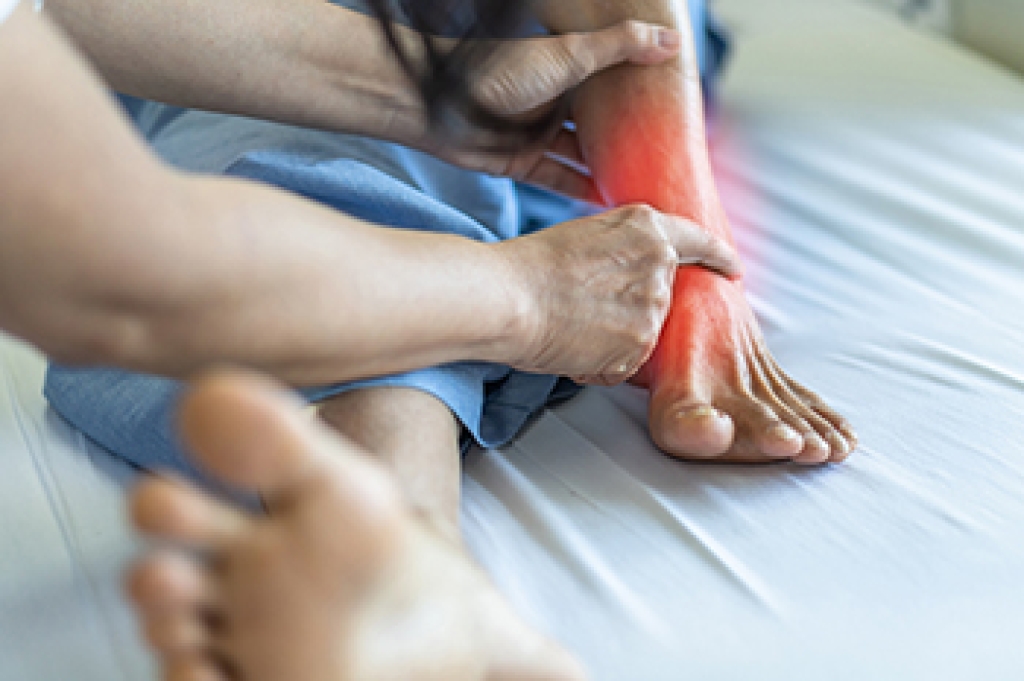
Ankle Gout and Its Impact on Daily Movement

Gout in the ankle is a joint condition that develops when uric acid crystals accumulate and cause inflammation. Although it is less commonly discussed than gout in the big toe, ankle involvement can be just as painful and limiting. The condition may take time to develop, but often presents as a sudden and intense flare-up. This type of arthritis can affect mobility and make routine activities more challenging if not addressed early.

Common symptoms of ankle gout include swelling, tenderness, and stiffness surrounding the joint. The ankle may feel warm and appear red, with discomfort that worsens during movement or weight bearing. Limited range of motion can make it difficult to walk or complete everyday tasks. Some individuals report sudden pain that begins at night and intensifies quickly. These symptoms can interfere with sleep and overall quality of life.


The causes of gout in the ankle are linked to elevated uric acid levels in the body. Consuming high purine foods, drinking excess alcohol, and having reduced kidney function can contribute to this buildup. Gout is more frequently seen in men, while women may develop it after menopause due to hormonal changes. Other risk factors include obesity, metabolic conditions, and a family history of gout. These can increase the likelihood of crystal formation and joint inflammation.


Diagnosis often involves clinical evaluation along with imaging scans to rule out fractures or other joint disorders. Managing ankle gout includes controlling uric acid levels and reducing inflammation through lifestyle adjustments and medical treatment. A podiatrist can provide guidance on symptom management and long-term prevention. If you have signs of gout in the ankle, it is strongly suggested that you are under the care of a podiatrist who can help you to manage this painful condition. 

Gout is a foot condition that requires certain treatment and care. If you are seeking treatment, contact one of our podiatrists from Warren-Watchung Podiatry Center. Our doctors will treat your foot and ankle needs.

What Is Gout?

Gout is a type of arthritis caused by a buildup of uric acid in the bloodstream. It often develops in the foot, especially the big toe area, although it can manifest in other parts of the body as well. Gout can make walking and standing very painful and is especially common in diabetics and the obese.

People typically get gout because of a poor diet. Genetic predisposition is also a factor. The children of parents who have had gout frequently have a chance of developing it themselves.

Gout can easily be identified by redness and inflammation of the big toe and the surrounding areas of the foot. Other symptoms include extreme fatigue, joint pain, and running high fevers. Sometimes corticosteroid drugs can be prescribed to treat gout, but the best way to combat this disease is to get more exercise and eat a better diet.

If you have any questions, please feel free to contact one of our offices located in Marlboro and Watchung, NJ . We offer the newest diagnostic and treatment technologies for all your foot care needs.

Read more about Everything You Need to Know About Gout

Choosing the Right Running Shoes for Hobby Runners

Choosing the right running shoe is essential for hobby runners who want comfort, support, and injury prevention. Running shoes are designed to protect the feet from repeated impact while supporting natural movement. The definition of a proper running shoe includes features such as cushioning, stability, and a well-fitted shape that matches the foot. Selecting the right shoes can improve performance and reduce stress on the feet, ankles, and knees. Understanding how to choose running shoes helps runners stay active and avoid common foot problems.

Symptoms of wearing improper running shoes may include foot pain, blisters, soreness, or fatigue after activity. Some runners may experience discomfort in the heel, arch, or ball of the foot. These issues can develop when shoes lack proper cushioning or do not fit correctly. Risk factors include wearing shoes that are too tight, choosing the wrong type for the running surface, and continuing to use worn-out footwear. Ignoring these symptoms can lead to more serious concerns, such as overuse injuries or joint strain.


When selecting running shoes, comfort is the most important factor. Shoes should provide enough cushioning to absorb impact, especially for pavement running where surfaces are harder. Trail running shoes should offer grip and stability for uneven terrain. Runners should also ensure there is plenty of room at the end of the shoe for the toes to move freely, which helps prevent pressure and irritation. Knowing the running surface and choosing a shoe designed for that environment can support better performance and reduce injury risk.


Taking time to find the right running shoe can improve comfort and protect long-term foot health. Replacing shoes regularly and paying attention to fit can help prevent unnecessary strain. Making informed choices supports a safer and more enjoyable running experience. If you enjoy running and have sustained a foot or ankle injury, it is suggested that you consult a podiatrist who can offer effective treatment solutions and additional guidance on choosing the right shoes for your running style. 

For more information about walking shoes versus running shoes, consult with one of our podiatrists from Warren-Watchung Podiatry Center. Our doctors can measure your feet to determine what your needs are and help you find an appropriate pair of footwear.

Foot Health: The Differences between Walking & Running Shoes

There are great ways to stay in shape: running and walking are two great exercises to a healthy lifestyle. It is important to know that running shoes and walking shoes are not interchangeable. There is a key difference on how the feet hit the ground when someone is running or walking. This is why one should be aware that a shoe is designed differently for each activity.

You may be asking yourself what the real differences are between walking and running shoes and the answers may shock you.

Differences

Walking doesn’t involve as much stress or impact on the feet as running does. However, this doesn’t mean that you should be any less prepared. When you’re walking, you land on your heels and have your foot roll forward. This rolling motion requires additional support to the feet.

Flexibility – Walking shoes are designed to have soft, flexible soles. This allows the walker to push off easily with each step.

If you have any questions, please feel free to contact one of our offices located in Marlboro and Watchung, NJ . We offer the newest diagnostic and treatment technologies for all your foot care needs.

Read more about Walking Shoes vs. Running Shoes

Tennis-Related Toe Injuries

Toe injuries from tennis are often the result of repetitive stress and sudden movements that place strain on the front of the foot. The definition of tennis toe involves damage to the toenail or surrounding tissue from repeated impact inside the shoe. Turf toe, on the other hand, is a joint injury that occurs when the big toe bends upward too forcefully. Both conditions are common in tennis due to the demands of quick footwork and constant movement across the court.

Common symptoms of tennis toe include pain beneath the nail, discoloration, and sensitivity when pressure is applied. Turf toe symptoms include swelling, stiffness, and pain near the base of the big toe. Players may notice difficulty pushing off or reduced flexibility in the toe joint. These symptoms can worsen with continued activity and may limit performance if not addressed. Early recognition of these signs is important for effective management.


Risk factors include frequent participation in tennis, wearing shoes that are too tight or loose, and playing on hard surfaces. Improper footwear can increase friction and pressure on the toes, leading to injury. Turf toe is more likely to occur when the toe is forced into an extended position during sudden stops or directional changes. Weak foot support and lack of conditioning may also contribute to increased injury risk.


Reducing the risk of toe injuries requires wearing proper footwear, good foot hygiene, and attention to technique. Shoes should provide a secure fit and adequate cushioning to absorb impact. Regular rest and conditioning can help maintain strength and flexibility. Addressing pain early can prevent more serious complications. If you have toe pain from tennis activities, it is suggested that you seek evaluation from a podiatrist for effective relief, management and prevention techniques.

Ankle and foot injuries are common among athletes and in many sports. They can be caused by several problems and may be potentially serious. If you are feeling pain or think you were injured in a sporting event or when exercising, consult with one of our podiatrists from Warren-Watchung Podiatry Center. Our doctors will assess your condition and provide you with quality foot and ankle treatment.

Common Injuries

The most common injuries that occur in sporting activities include:

  • Achilles Tendonitis
  • Achilles Tendon Rupture
  • Ankle Sprains
  • Broken Foot
  • Plantar Fasciitis
  • Stress Fractures
  • Turf Toe

Symptoms

Symptoms vary depending upon the injury and in some cases, there may be no symptoms at all. However, in most cases, some form of symptom is experienced. Pain, aching, burning, bruising, tenderness, tightness or stiffness, sensation loss, difficulty moving, and swelling are the most common symptoms.

Treatment

Just as symptoms vary depending upon the injury, so do treatment options. A common treatment method is known as the RICE method. This method involves rest, applying ice, compression and elevating the afflicted foot or ankle. If the injury appears to be more serious, surgery might be required, such as arthroscopic or reconstructive surgery. Lastly, rehabilitation or therapy might be needed to gain full functionality in the afflicted area. Any discomfort experienced by an athlete must be evaluated by a licensed, reputable medical professional.  

If you have any questions please contact one of our offices located in Marlboro and Watchung, NJ . We offer the newest diagnostic and treatment technologies for all your foot and ankle needs.

Read more about Sports Related Foot and Ankle Injuries

Plantar Warts Can Be Treated!

Plantar warts are small growths that develop on parts of the feet that bear weight. They're typically found on the bottom of the foot. Don't live with plantar warts, and call us today!

How High Heels Affect Foot Health

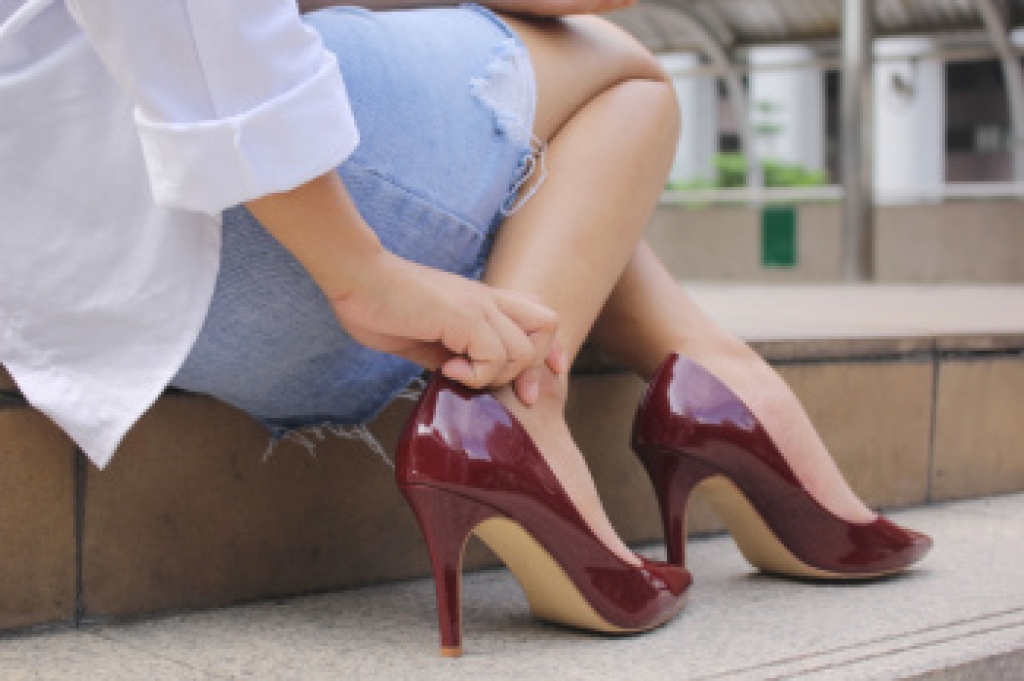
High heels are a popular footwear choice, but wearing them frequently can place added stress on the feet and ankles. As heel height increases, more body weight shifts toward the front of the foot, increasing pressure on the toes and the ball of the foot. This change in weight distribution may contribute to foot pain and affect the way a person walks. High heels may also place extra strain on the ankles, calves, and lower legs. Some individuals develop problems gradually, while others notice discomfort after only a short period of wear. Because repeated stress can affect the joints and soft tissues of the feet, persistent symptoms should be professionally evaluated. Early podiatry care may help identify developing problems before they interfere with everyday activities.


The effects of high heels vary from person to person. Many people experience aching, burning, or tenderness in the front of the foot after standing or walking. Others develop bunions, hammertoes, or calluses because of increased pressure on the toes. Wearing high heels for extended periods may also contribute to ankle instability and reduced balance. As these changes continue, normal movement can become less comfortable and everyday activities may become more difficult. Ongoing foot pain should not be ignored because untreated problems may worsen. Identifying the source of discomfort early can help protect foot health and support long-term mobility.


A podiatrist specializes in diagnosing and treating foot problems related to footwear and abnormal pressure on the feet. During an examination, the podiatrist evaluates foot structure, walking mechanics, and any symptoms affecting comfort or mobility. Treatment is individualized to reduce pain, improve foot function, and address conditions linked to wearing high heels. Early podiatry care may also help prevent additional stress on the feet and support healthier movement. If you are experiencing foot pain, toe discomfort, or difficulty walking after wearing high heels, it is suggested that you consult a podiatrist for an evaluation and appropriate treatment options.

High heels have a history of causing foot and ankle problems. If you have any concerns about your feet or ankles, contact one of our podiatrists from Warren-Watchung Podiatry Center. Our doctors can provide the care you need to keep you pain-free and on your feet.

Effects of High Heels on the Feet

High heels are popular shoes among women because of their many styles and societal appeal.  Despite this, high heels can still cause many health problems if worn too frequently.

Which Parts of My Body Will Be Affected by High Heels?

  • Ankle Joints
  • Achilles Tendon – May shorten and stiffen with prolonged wear
  • Balls of the Feet
  • Knees – Heels cause the knees to bend constantly, creating stress on them
  • Back – They decrease the spine’s ability to absorb shock, which may lead to back pain.  The vertebrae of the lower back may compress.

What Kinds of Foot Problems Can Develop from Wearing High Heels?

  • Corns
  • Calluses
  • Hammertoe
  • Bunions
  • Morton’s Neuroma
  • Plantar Fasciitis

How Can I Still Wear High Heels and Maintain Foot Health?

If you want to wear high heeled shoes, make sure that you are not wearing them every day, as this will help prevent long term physical problems.  Try wearing thicker heels as opposed to stilettos to distribute weight more evenly across the feet.  Always make sure you are wearing the proper shoes for the right occasion, such as sneakers for exercising.  If you walk to work, try carrying your heels with you and changing into them once you arrive at work.  Adding inserts to your heels can help cushion your feet and absorb shock. Full foot inserts or metatarsal pads are available. 

If you have any questions, please feel free to contact one of our offices located in Marlboro and Watchung, NJ . We offer the newest diagnostic and treatment technologies for all your foot care needs.
Read more about Effect of High Heels on the Feet

Connect With Us